Launching a Phlebotomy School: Your Step-by-Step Guide to Success
Are you passionate about healthcare and interested in starting your own phlebotomy school? With the demand for trained phlebotomists on the rise, this venture can be both fulfilling and profitable. In this comprehensive guide, we will walk you through the essential steps needed to launch a successful phlebotomy school, covering everything from legal requirements to effective marketing strategies.
Table of Contents
- Understanding Phlebotomy
- Conducting Market Research
- Legal Requirements
- Curriculum Development
- Staffing Your School
- Marketing Strategies
- Budgeting and Financing
- Conclusion
Understanding Phlebotomy
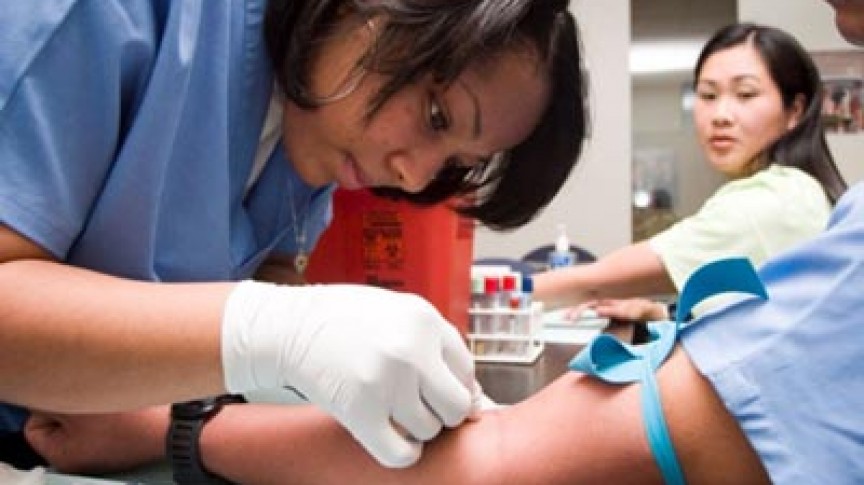
Phlebotomy is the practice of drawing blood for tests, transfusions, research, or donations. It requires skilled professionals who not only understand the technical aspects of the job but also possess strong interpersonal skills to ensure patient comfort. As healthcare facilities continue to grow, the demand for certified phlebotomists remains high.
Conducting Market Research
Before you dive into launching your phlebotomy school, conduct thorough market research to identify your target audience and understand local competition. Here’s how:
- Identify Your Target Audience: Consider whether you want to target high school graduates, career changers, or healthcare professionals looking to upskill.
- Analyze the Competition: Research existing phlebotomy programs in your area. Identify their strengths and weaknesses to establish your unique selling proposition (USP).
- Survey Potential Students: Gather feedback on what potential students seek in a phlebotomy program, such as flexible schedules or hands-on training opportunities.
Legal Requirements
Every state has specific legal guidelines for launching vocational schools, particularly in healthcare. Here are the key steps:
- Licensing: Ensure that you apply for the appropriate business licenses and educational accreditations required in your state.
- Compliance: Familiarize yourself with the state and federal regulations concerning health and safety in educational establishments.
- Insurance: Obtain liability insurance to protect your school against potential claims and lawsuits.
Curriculum Development
Your curriculum should meet both state regulations and the educational standards set by relevant phlebotomy organizations. Consider these elements when developing your course:
- Core Subjects: Anatomy and physiology, medical terminology, safety protocols, and techniques in venipuncture.
- Hands-On Training: Include extensive practical sessions, using realistic scenarios to prepare students for real-world experiences.
- Certification Preparation: Ensure that students are prepared for national certification exams, like those administered by the American Society for Clinical Pathology (ASCP).
Staffing Your School
The success of your phlebotomy school heavily relies on the expertise of your instructors. Here are some tips for staffing:
- Experienced Instructors: Hire instructors with extensive phlebotomy experience and approved teaching credentials.
- Administrative Support: Employ staff who can manage admissions, marketing, and student services efficiently.
- Continuing Education: Encourage instructors to continue learning, keeping up to date with the latest practices in phlebotomy.
Marketing Strategies
Effective marketing is crucial to attract students to your phlebotomy school. Here are some strategies to consider:
1. Digital Marketing
- Website Optimization: Create a user-friendly website with SEO-optimized content highlighting your programs and credentials.
- Email Campaigns: Utilize email marketing to reach out to potential students with special offers and program information.
- Social Media Engagement: Use social media platforms to promote success stories, testimonials, and upcoming classes.
2. Community Engagement
- Open Houses: Host open house events to attract prospective students and give them a feel for your school.
- Networking Events: Attend local healthcare job fairs and networking events to connect with potential students and employers.
Budgeting and Financing
Establishing a budget is essential for the sustainability of your phlebotomy school. Consider the following expenses:
| Expense Category | Estimated Cost |
|---|---|
| Facility Rental | $2,000 – $5,000/month |
| Instructor Salaries | $40,000 – $70,000/year |
| Marketing Costs | $500 – $3,000/month |
| Equipment and Supplies | $10,000 – $50,000 (startup) |
Explore financing options such as small business loans, grants, and partnerships with local healthcare facilities to cover initial costs.
Conclusion
Launching a phlebotomy school can be a rewarding venture, both personally and professionally. By following the steps outlined in this guide—from conducting market research and adhering to legal requirements to developing a robust curriculum and effective marketing strategies—you’ll be on your way to creating a successful educational institution. Remember, the key to your success lies in offering quality education that meets the evolving needs of the healthcare industry. Get started on your journey today and contribute to the future of phlebotomy!