Unlocking the Essential Skills: A Extensive Guide to Phlebotomist Duties and Responsibilities
If your considering a career in healthcare, becoming a phlebotomist can be a rewarding choice. Phlebotomists are vital in the medical field, serving as the frontline professionals responsible for collecting blood and other specimens that help diagnose, treat, and monitor diseases. Mastering the duties and responsibilities of a phlebotomist requires specific skills, attention to detail, and a compassionate approach. In this comprehensive guide, we’ll explore the key skills, daily tasks, benefits, and practical tips to help aspiring and current phlebotomists excel in their roles.
Understanding the Role of a Phlebotomist
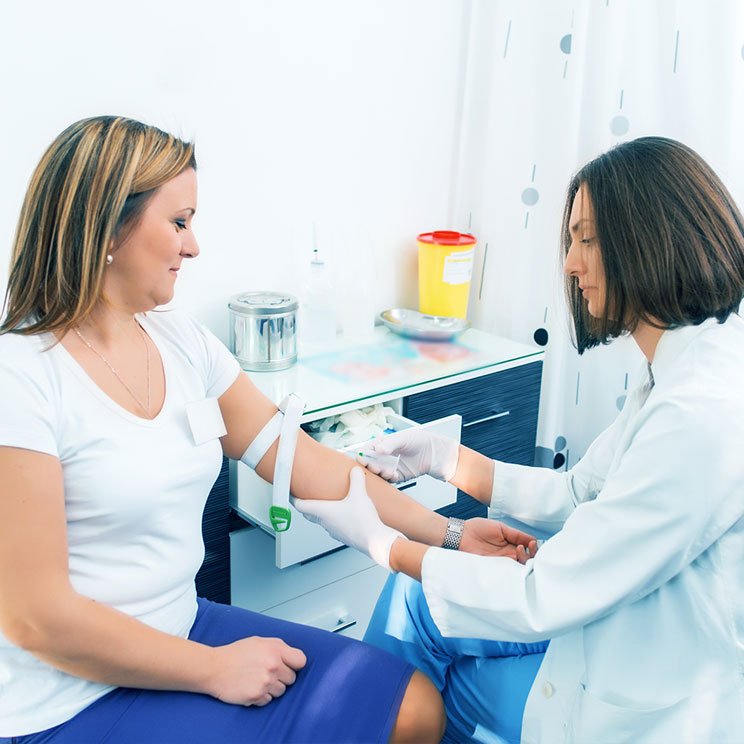
Phlebotomists are trained healthcare professionals specializing in blood collection procedures. They work in various settings such as hospitals, clinics, laboratories, and blood donation centers.Their basic goal is to ensure the safe and comfortable collection of blood samples,which are crucial for diagnostic testing and medical research.
Core Duties and Responsibilities of a Phlebotomist
Primary responsibilities
- Blood Sample Collection: Drawing blood using venipuncture,capillary puncture,or using specialized equipment.
- Patient Identification and Preparation: Verifying patient identities and explaining procedures clearly to ease anxiety.
- Proper Labeling and Documentation: Ensuring samples are correctly labeled and records are maintained accurately.
- Sample Handling and Processing: Transporting samples under appropriate conditions to laboratories.
- Equipment Maintenance: Handling collection devices, needles, and sterile supplies responsibly.
- Adhering to Safety Protocols: Following OSHA and CDC guidelines to prevent infections and injuries.
Additional Responsibilities
- Assisting in patient preparation for other laboratory tests.
- Managing inventory of supplies and ordering new materials as needed.
- Maintaining clean and organized workspaces.
- Providing excellent patient care and emotional support.
- Participating in ongoing training and certification updates.
Essential Skills for a Successful Phlebotomist
Because phlebotomy is both technical and interpersonal, a mix of hard and soft skills is necessary to excel in this role.Here are some of the most crucial skills:
Technical Skills
- Expertise in venipuncture and capillary puncture techniques
- knowledge of human anatomy and blood collection protocols
- familiarity with laboratory safety standards and sterilization procedures
- Proficiency in proper sample labeling and documentation
Interpersonal Skills
- Strong communication skills to explain procedures and comfort patients
- Empathy and patience, especially when dealing with anxious or difficult patients
- Attention to detail to avoid sample mix-ups and errors
- Ability to work efficiently under pressure
educational Requirements and Certification
to become a certified phlebotomist, individuals generally need a high school diploma or equivalent, followed by specialized training through a phlebotomy program. Certification from recognized bodies such as the Phlebotomy Technician Certification (e.g.,ASCP,NCPT) enhances employability. Many states also require licensure or certification to practice professionally.
Benefits of Being a Phlebotomist
| Benefit | Description |
|---|---|
| Job Stability | High demand for healthcare professionals ensures steady employment opportunities. |
| Competitive Salary | Entry-level phlebotomists earn attractive wages with opportunities for growth. |
| Flexible Schedules | many positions offer part-time, full-time, or shift work options. |
| Serving the Community | Helps patients and contributes significantly to healthcare diagnostics. |
| Pathway to Healthcare Careers | Provides foundational skills for advanced healthcare roles like nursing or medical laboratory technology. |
practical Tips to Excel as a Phlebotomist
- Practice regularly: Hone your blood collection techniques through internships or simulations.
- Maintain professionalism: Be punctual, dress appropriately, and uphold hygiene standards.
- build rapport: Engage with patients empathetically to ease their anxiety.
- Stay updated: Keep current with industry standards and new technology in phlebotomy.
- Prioritize safety: Always follow proper sterilization procedures and safety protocols.
- Develop problem-solving skills: be prepared to handle difficult veins, patient distress, or sample labeling errors calmly and efficiently.
- Seek feedback: Regularly ask supervisors for guidance to improve your technique and professionalism.
Case Studies and First-Hand Experiences
Case Study 1: Overcoming Difficult Veins
Jane, a new phlebotomist, encountered a patient with difficult veins. Using proper palpation techniques and patient positioning, she successfully drew blood on her third attempt. This experience underscored the importance of patience, skill, and confidence in handling challenging cases.
Case Study 2: Managing Patient Anxiety
Mark noticed that some patients experienced severe anxiety during blood draws. He adopted calming communication and distraction techniques, which improved patient comfort and sample quality. This highlighted the importance of soft skills and compassionate care in phlebotomy.
Final Thoughts
becoming a skilled phlebotomist involves more than technical expertise-it requires genuine compassion,meticulous attention to detail,and a commitment to patient safety. By understanding the core duties and responsibilities, honing essential skills, and embracing continuous learning, aspiring healthcare professionals can unlock a rewarding career in phlebotomy. Whether you’re just starting or looking to enhance your practice, remember that your role is vital to accurate diagnostics and patient care. Embrace the journey, and you’ll find this profession both fulfilling and impactful.