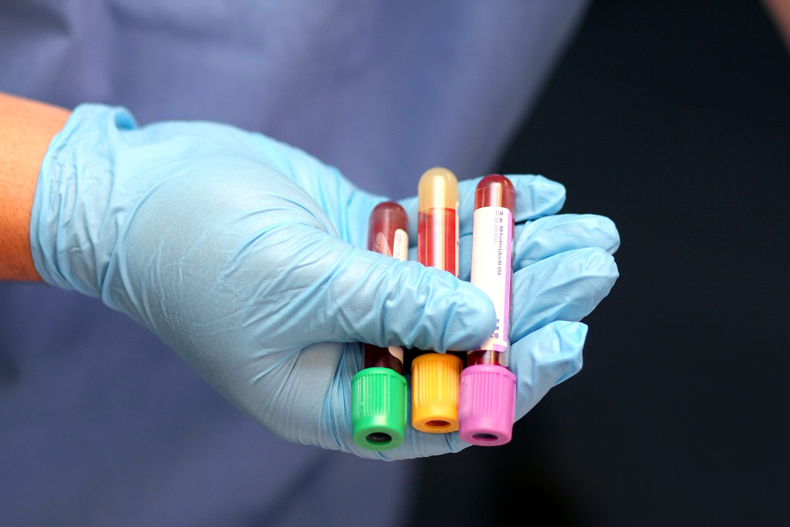
Understanding the Order of Draw in Phlebotomy: Essential Guidelines for accurate Blood Collection
proper blood collection is a cornerstone of accurate laboratory diagnostics. As a healthcare professional or a student learning about phlebotomy, understanding the correct order of draw is vital for preventing cross-contamination, preserving sample integrity, and ensuring reliable test results. In this extensive guide,we’ll explore the importance of the order of draw,practical guidelines,benefits,and common pitfalls to avoid.
Introduction
Phlebotomy, the process of drawing blood for testing, diagnosis, and research, requires meticulous attention to detail. One crucial factor influencing the accuracy of blood tests is the sequence in which blood collection tubes are filled. Incorrect order of draw can lead to sample contamination, skewed results, or even test rejection, thereby impacting patient care. This article aims to shed light on the order of draw in phlebotomy, outlining essential guidelines that healthcare professionals should follow to optimize blood collection procedures.
The Significance of the Order of Draw in Phlebotomy
the order of draw is critical for several reasons:
- Prevents cross-contamination: Diffrent additives in collection tubes (like anticoagulants, clot activators, etc.) can interfere with each other if tubes are mixed improperly.
- Maintains sample integrity: Proper sequencing minimizes the risk of reagent carryover that can alter test results.
- Ensures patient safety: Correct procedures reduce risks associated with test inaccuracies, which can affect diagnosis and treatment.
Standard Guideline: The Order of Draw in Phlebotomy
the Clinical and Laboratory Standards Institute (CLSI) and the International Society of Blood Transfusion (ISBT) provide widely accepted guidelines for the order of draw. Here’s a summarized list of the standard sequence:
| Step | Description | Typical Tubes/Accessories |
|---|---|---|
| 1 | Blood culture tubes | Yellow or media tubes (blood culture bottles) |
| 2 | Sodium citrate tubes for coagulation tests | Blued-top tubes (light blue cap) |
| 3 | SERUM tubes with clot activators | Gold orserum separator tubes (SST,tiger top) |
| 4 | Heparin tubes for plasma chemistry | Green or green-gray (pst) tubes |
| 5 | EDTA tubes for hematology | Purple or lavender cap tubes |
| 6 | Oxalate/fluoride tubes for glucose testing | Gray cap tubes |
Why Follow the Correct Order of Draw?
Adhering to the prescribed order ensures that:
- Sample purity is maintained,avoiding reagent contamination.
- Test results are accurate and reliable.
- Laboratory procedures are standardized, improving efficiency.
Practical Tips for Proper Blood Collection
1. Prepare and Plan
- verify the test order and collection tubes needed.
- Check expiration dates and integrity of the tubes.
- Assemble all necesary equipment beforehand.
2. Use Correct Venipuncture technique
- Apply tourniquet correctly-usually 3-4 minutes maximum.
- Select an appropriate vein.
- Insert the needle smoothly and at the correct angle.
- Fill tubes in the correct order,without mixing.
3. Promote Safety and Sample Integrity
- Gently invert tubes as recommended to mix additives.
- Label samples immediately.
- Transport samples to the lab promptly.
Benefits of Adhering to the Correct Order of Draw
- Enhanced accuracy: Reduces errors caused by reagent contamination.
- Improved patient safety: Ensures consistent and precise diagnostic outcomes.
- Streamlined laboratory processes: Facilitates smoother workflow and faster results.
Frist-Hand Experience: common Mistakes and How to Avoid Them
During my years working in clinical laboratories, I’ve seen typical pitfalls that compromise blood collection quality. Here are some real-world insights:
- Skipping the order of draw: Using tubes randomly can lead to cross-contamination.
- Inadequate mixing: Not inverting tubes properly can affect additive effectiveness.
- Incorrect tube filling: Under- or over-filling can skew test results.
To avoid these issues, always follow established guidelines, double-check your order, and stay updated with the latest best practices in phlebotomy.
Case Study: Impact of Incorrect Order of Draw
| Scenario | issue | Outcome |
|---|---|---|
| Blood sample collection for coagulation tests | Skipped the order of draw, used tubes randomly. | Contaminated sample with EDTA from purple tube, leading to falsely prolonged clotting times. |
| Blood culture collection | Did not follow standard sequence, mixed culture and serum tubes. | Contaminated blood cultures, causing false-positive results. |
These cases highlight why strict adherence to the order of draw is a mandatory best practice.
Conclusion
Understanding and properly implementing the order of draw in phlebotomy is essential for ensuring accurate blood test results and maintaining patient safety. It is a fundamental skill that every healthcare professional involved in blood collection must master. By following standardized protocols, practicing proper collection techniques, and continuously updating your knowledge, you contribute significantly to high-quality laboratory diagnostics and effective patient care. Remember, in phlebotomy, attention to detail makes all the difference!