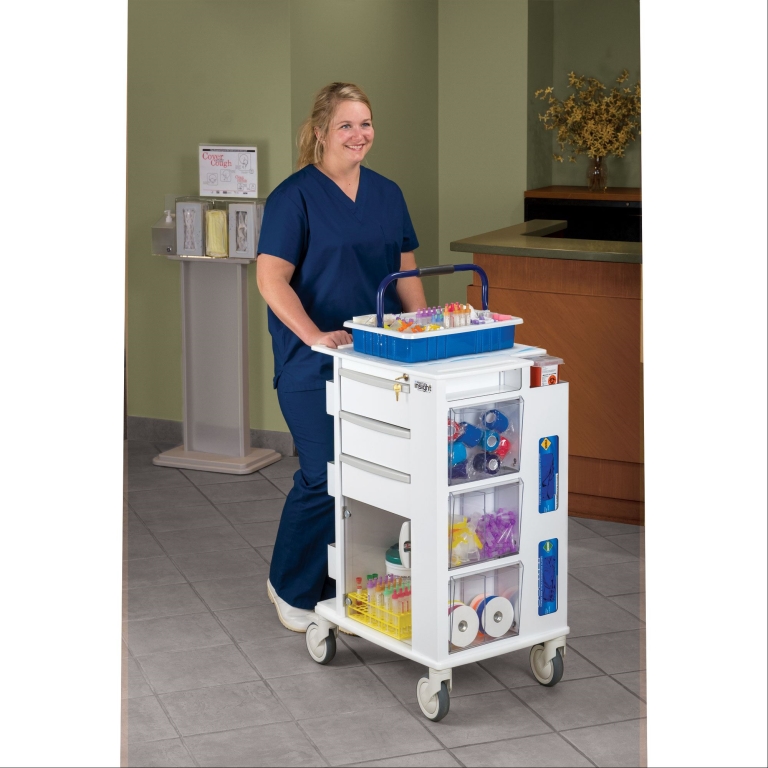
Ultimate guide to Acing Your Phlebotomist Test: Tips, Practice, and Essential Prep Strategies
Introduction: Your Path to Phlebotomy Success
Preparing for the phlebotomist test can feel overwhelming, but with a structured plan, practical practice, and a calm test-day strategy, you can turn nerves into confidence. Whether you’re pursuing a phlebotomy certification or tackling a licensure exam, this ultimate guide covers the critical topics, effective study methods, and hands-on prep you need to ace your phlebotomy exam-the phlebotomist test that opens doors to healthcare roles involving blood collection, specimen handling, and patient care.
In this guide, you’ll find actionable steps, proven practice strategies, and concise resources designed to boost your scores and deepen your understanding of venipuncture, lab safety, specimen labeling, and the entire blood collection workflow. Let’s dive in and turn readiness into performance.
What the Phlebotomist Test Covers
The phlebotomy exam assesses both knowledge and practical skills. While every program may tailor questions, you can expect coverage in these core areas:
- Anatomy and physiology relevant to venipuncture (e.g., vein selection, tourniquet use).
- Venipuncture technique, needle handling, and specimen collection procedures.
- Specimen handling, labeling, and chain-of-custody concepts.
- Specimen types,additive tubes,and the blood draw order of draw.
- Safety and infection control,including PPE and universal precautions.
- Quality assurance, accident prevention, and error reduction.
- Patient interaction,consent,and professionalism in a clinical setting.
- Ethics, confidentiality (HIPAA/privacy considerations), and regulatory basics.
Knowing these topics inside out helps you build a holistic prep plan that aligns with both theoretical knowledge and hands-on skills.
Core skills You Must Master
These fundamentals form the backbone of the phlebotomy skill set. Master them with deliberate practice and you’ll feel ready for most exam scenarios.
- Ventures in venipuncture: selecting the right vein, locating a reliable site, and atraumatic needle insertion.
- Specimen collection: proper tube choice, filling order, mixing times, and minimizing hemolysis.
- Specimen labeling: patient identifiers, date/time, initials, and avoiding labeling errors.
- Safety and PPE: wearing gloves, proper disposal of sharps, and biohazard awareness.
- Specimen transport and handling: maintaining specimen integrity, temperature requirements, and timely delivery.
- Quality control: verifying patient facts, test orders, and avoiding specimen mix-ups.
- dialog: calming anxious patients, explaining the procedure, and obtaining consent when needed.
Structured Study Plan: Your 4-6 Week Prep Blueprint
A well-defined plan reduces overwhelm and boosts retention. Adapt the timeline to your schedule, but aim for consistent daily practice and weekly reviews.
Recommended timeline: 4 to 6 weeks, depending on prior knowledge and daily time availability.
Weekly focus blocks
- week 1: Core concepts and safety first. Memorize PPE, universal precautions, and infection control basics.
- Week 2: Venipuncture technique and lab specimen basics. Practice tube order, mixing, and labeling concepts.
- Week 3: Patient interaction and professionalism.Role-play scenarios, consent, and communication.
- Week 4: Practice exams and weak areas.Use timed quizzes to build stamina for test-day conditions.
- Week 5-6: Final review and simulated labs. Do full-length practice tests and chest-check your pacing.
Daily routine (example)
- 20-30 minutes of reading or watching a concise review on venipuncture and safety.
- 15-25 minutes of practice questions or flashcards focused on tube types, colors, and the order of draw.
- 5-10 minutes of quick recall on labeling procedures or a brief hands-on practice with a dummy arm (if available).
Practice Resources to Build Confidence
Effective practice blends theory with realistic scenarios. Use a mix of flashcards, practice questions, and hands-on drills to reinforce retention and reduce test fatigue.
Types of practice questions
- Multiple-choice questions (MCQs) that test safety, procedure steps, and tube color codes.
- Scenario-based questions that require choosing the correct action in a given patient situation.
- Labeling and order-of-draw sequencing exercises to improve accuracy under time pressure.
Hands-on practice ideas
- Use a practice arm or simulation kit to rehearse venipuncture technique with a partner.
- Perform mock labeling on sample vials to ensure clarity and legibility of patient data.
- Practice safety drills: donning and doffing PPE, disposing of sharps, and clean-up protocols.
Digital and print resources
- Phlebotomy practice questions, flashcards, and mini-quizzes to reinforce tube color codes and additives.
- Glossaries for common phlebotomy abbreviations and lab reports.
- Mini-cases demonstrating common patient scenarios and potential risk factors.
Quick-Reference Tables for Quick Recall
Use these concise tables as study aids. They are designed to be simple, memorable, and WordPress-friendly with the class used for tables.
| Topic | Key Point | Why It Matters |
|---|---|---|
| Venipuncture Site | Median cubital vein is common; option: cephalic or basilic veins | Choosing a stable site reduces bruising and improves sample quality |
| Tube Order of Draw | Light blue, red, gold SST, green, lavender, gray, etc. (specific to protocols) | Prevents cross-contamination of additives between tubes |
| Labeling Essentials | Patient full name, DOB, unique ID, date/time, initials | Ensures proper specimen tracking and reduces mislabeling errors |
| Safety Protocol | Gloves, wipe with alcohol, sharps container, OSHA-compliant PPE | Protects patient and phlebotomist from exposure risks |
Another table is helpful for study planning:
| week | Focus Area | Study Time |
|---|---|---|
| Week 1 | Safety basics & anatomy | 5-7 hours |
| Week 2 | Venipuncture technique & tubes | 6-8 hours |
| Week 3 | Patient interaction | 4-6 hours |
| Week 4 | Practice tests & review | 6-10 hours |
Test-Day Strategies: Stay Focused and perform Your Best
- Rest well the night before. A rested mind improves recall and decision-making under pressure.
- Arrive early with required IDs and documents. Confirm testing location policies (masking, PPE, etc.).
- read questions carefully. Underline key phrases like “best practice” or “most appropriate sequence.”
- time management: aim for steady pacing; don’t linger too long on a single question.
- Eliminate obviously wrong answers to improve odds on tough items.
- Review your work if time permits-double-check labeling and tube order concepts before finishing.
Common Pitfalls and How to Avoid Them
Avoiding common mistakes can significantly improve your phlebotomy test score and clinical performance.
- Pitfall: Rushing through steps during practice exams.Fix: Use a stopwatch and simulate exam pace.
- Pitfall: Inaccurate tube labeling. Fix: Practice a labeling checklist until it becomes second nature.
- Pitfall: Skipping safety protocols under pressure. Fix: Build PPE routines into practice so they’re automatic.
- pitfall: memorizing without understanding. Fix: Build mental models linking tube color codes to test types.
First-Hand experience: A Path to Phlebotomy Certification Success
Meet Sophia, a student who balanced work, family, and study while preparing for her phlebotomist test. She followed a 6-week plan, used flashcards for tube additives, and joined weekly mock exams. sophia reported:
- improved confidence in locating veins and performing venipuncture on a simulator.
- Better accuracy in labeling and handling specimens, reducing errors in practice runs.
- A strong performance on the final mock exam, translating into a solid real-test score.
Take a page from Sophia’s approach: create small, incremental wins, practice consistently, and use feedback to refine your technique.
Benefits of Thorough Prep
- Higher exam scores and better certification outcomes.
- Improved safety practices and reduced risk of specimen error.
- Increased confidence when performing phlebotomy in real clinical settings.
- Stronger familiarity with lab processes, tube additives, and proper sample handling.
Conclusion: Your roadmap to Acing the Phlebotomist Test
Acing the phlebotomist test is not about memorizing every fact in isolation; it’s about building a practical, test-ready framework that integrates knowledge, technique, and patient-centered care. By following a structured study plan, practicing venipuncture and labeling with precision, and simulating test-day conditions, you’ll transform preparation into performance.
Remember to tailor the plan to your schedule, use diverse practice resources, and review your mistakes to drive continuous improvement. With the right prep strategies, you’ll approach your phlebotomy certification-or phlebotomy exam-with confidence, clarity, and competence.