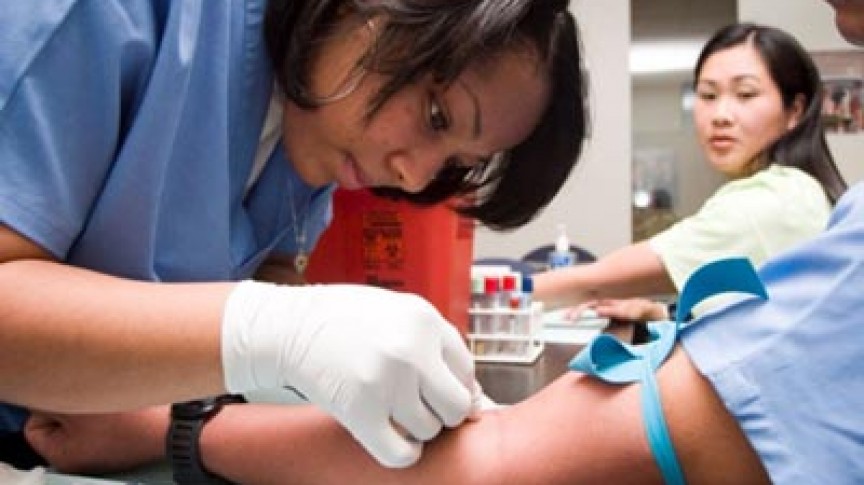
Educational Requirements for Phlebotomists: How too Launch a Accomplished Career in Medical Blood Collection
Phlebotomy is a critical first step in patient care. If you’re drawn to healthcare, enjoy working with people, and want a hands-on, meaningful role, becoming a phlebotomist can be a smart and rewarding choice. This comprehensive guide covers the educational requirements, certification options, licensure considerations, and practical steps to start a successful career in medical blood collection.
Why a career in phlebotomy is a strong choice
- Fast-entry pathway: Many phlebotomy programs can be completed in months rather than years.
- Hands-on training: You’ll gain practical venipuncture skills and specimen handling techniques quickly.
- High employment demand: hospitals, clinics, diagnostic laboratories, and blood banks continually hire trained phlebotomists.
- Stepping stone to healthcare careers: Phlebotomy certification can open doors to related roles in medical laboratories or nursing pathways.
Educational pathways to become a phlebotomist
Educational requirements for phlebotomists can vary by employer and state. Most aspiring phlebotomists start with high school-level preparation and then pursue a structured training program, followed by certification.Here are the common paths:
1) High school diploma or equivalent
- Required as the baseline for most training programs and employment.
- Focus on science courses (biology, chemistry) and math to build foundational knowledge.
2) Phlebotomy certificate programs
A certificate program is the most popular route for fast entry into the field. Key features include:
- Duration: Typically 4-6 months, though some accelerated programs exist.
- Curriculum: Anatomy and physiology basics, venipuncture techniques, capillary puncture, specimen collection and labeling, safety and infection control, proper specimen handling, and patient interaction skills.
- Hands-on clinical hours: Most programs include an externship or practicum in real health-care settings (hospitals, clinics, or labs).
- Outcomes: Prepare you to take a national or state certifying exam and seek entry-level phlebotomy roles.
3) Associate degree programs (optional but beneficial)
- duration: Typically 60-70 credit hours over two years.
- Focus: Broader allied health education, anatomy, physiology, clinical laboratory sciences, and sometimes phlebotomy as a component of a larger program.
- Advantage: Can broaden career prospects and serve as a stepping stone to higher healthcare roles.
4) Bachelor’s degree pathways (for long-term career adaptability)
- Less common for entry-level phlebotomy, but a bachelor’s in health science, biology, or medical laboratory science can expand advancement opportunities.
- useful for roles in supervisory, training, or laboratory management positions later on.
certification and licensure: what you need to know
Certification is a central component of professional credibility for phlebotomists.It demonstrates competence in venipuncture, specimen handling, and safety. Licensure requirements vary by state-some states require licensure or registration for phlebotomists,while others do not. Always verify current rules with state boards or employers in your area.
Common certification options
- Offered by multiple national organizations, this credential confirms proficiency in blood collection and specimen processing. – Some providers offer variations focused on adults or clinical practice. - American Medical Technologists offers certification with exams and continuing education requirements. – National Healthcareer Association provides a widely recognized credential with renewal requirements. – The American Society for Clinical Pathology offers certification for phlebotomy as part of a broader clinical path framework.
Key note: Each certifying body has its own eligibility criteria, exam format, and renewal schedule. Most require completion of an approved training program and a certain number of supervised clinical hours before you can sit for the exam. Some states or employers also require CPR certification or a background check.
Choosing a certifying organization
- Accreditation and recognition: Look for organizations widely recognized by employers and state health agencies.
- Exam prerequisites: Ensure you meet the program and clinical hour requirements before applying.
- Renewal and CE requirements: Factor in ongoing education to maintain your credential.
- Cost and portability: Consider exam fees, study resources, and whether the credential is portable if you move states.
Certification exam readiness and study tips
- Review core areas: venipuncture techniques, patient safety, infection control, specimen collection, labeling, and transport.
- Attend a prep workshop or use practice exams to build test-taking confidence.
- Gain hands-on practice during your externship; simulations can also help before the real exam.
- Develop soft skills: compassionate patient care, clear communication, and professional appearance and demeanor.
Clinical training: the bridge between classroom and job
Clinical externships or practicum experiences are often mandatory components of phlebotomy programs. They offer:
- real-world practice: Perform venipunctures under supervision, learn specimen handling, and observe laboratory workflows.
- Exposure to diverse patient populations: Pediatric, geriatric, and medical-surgical patients.
- Performance assessment: Trainers evaluate technique, adherence to safety protocols, and professionalism.
- Networking opportunities: Build professional connections that may lead to job opportunities after certification.
State licensing and regional variations
State requirements for phlebotomists vary widely. Some states require phlebotomists to be licensed, registered, or certified, while others leave the credentialing to employers. Crucial considerations include:
- Licensure status: Check your state’s health department or board of nursing/pathology to confirm whether licensure is required.
- Approved training programs: States may list which schools or programs meet the standard for licensure or certification eligibility.
- Reciprocity: If you relocate, verify whether your credentials transfer to the new state or if additional testing is needed.
Cost,duration,and program options: a quick comparison
Understanding the practical aspects helps you plan your education budget and timeline. The following table offers a concise snapshot of typical options. Note that costs and durations vary by school, location, and format.
| Option | Typical Duration | Typical cost | Key Features |
|---|---|---|---|
| Phlebotomy Certificate Program | 4-6 months | $1,000-$4,000 | Hands-on venipuncture, clinical externship, exam prep |
| Associate Degree (Allied Health related) | 2 years | $6,000-$20,000 | Broader healthcare education, optional phlebotomy emphasis |
| bachelor’s in Health science (optional) | 2-4 years | $10,000-$40,000 (depending on institution) | Leadership, management, or specialized clinical pathways |
| Certification Exam (CPT/Equivalent) | Self-study + exam | $200-$400 (exam fee) | Credential upon program completion |
Benefits of becoming a certified phlebotomist
- Competitive entry-level salary with room for growth as you gain experience and certifications.
- Strong demand across healthcare settings-hospitals, clinics, blood banks, and diagnostic labs.
- Clear career ladder: advance to lead technician, specimen processing, or supervisory roles.
- useful transferability: phlebotomy skills are foundational for many allied health professions.
Practical tips for launching a successful phlebotomy career
- Choose an accredited program: Look for ABHES or NAACLS accreditation, or state-recognized approval.
- Plan for clinical exposure: Ensure your program offers robust externships with diverse patient populations.
- Prepare for the certification exam early: Build a study plan around the exam’s domains and practice questions.
- Gain CPR or basic life support (BLS) certification: Some employers require it and it enhances your resume.
- Build a strong resume: Highlight clinical hours, specific phlebotomy skills (venipuncture, fingerstick, specimen handling), safety training, and customer service experience.
- Develop soft skills: Compassion, patience, and clear communication help with anxious or sensitive patients.
- Network with professionals: Attend local healthcare career fairs or join phlebotomy or laboratory tech groups to learn about practice settings and openings.
First-hand experience: a sample career journey
Maria always knew she wanted to work in healthcare. After earning a high school diploma, she enrolled in a 5-month phlebotomy certificate program with an externship in a community hospital. She completed her clinical hours, earned a CPT credential through AMT, and began applying to local clinics. Within a few months, she landed a role as a certified phlebotomist in a busy outpatient lab. Her daily routine includes drawing blood, labeling specimens, and interacting with patients of all ages. Through ongoing education, Maria also pursued a CPR certification and kept her credential current with renewed CE credits. her story illustrates how a focused educational plan, certification, and hands-on practice can translate into a confident start in a stable healthcare career.
Case study: comparing two paths to success
Case A opted for a 6-month phlebotomy certificate program with immediate entry into the workforce at a hospital outpatient lab. Case B pursued an associate degree in allied health with a phlebotomy emphasis and added certification later. Both achieved entry-level roles, but Case B’s broader education opened opportunities for advancement into supervisory roles and laboratory assistant positions in the long term. This example highlights how the scope of your education can influence career trajectories,even when both paths lead to a patient-facing,essential healthcare skill set.
Frequently asked questions (quick answers)
- Do you need a license to work as a phlebotomist? It depends on the state. Some states require licensure or certification; others do not. Check your state’s regulations.
- How long does it take to become a phlebotomist? Most certificate programs take 4-6 months, plus time for clinical externships and certification exams.
- Is phlebotomy a good career for someone who hates hospital work? Phlebotomy can be done in clinics, private labs, blood banks, and outpatient centers, offering varied environments beyond large hospitals.
- What credentials should I pursue? Start with a state-approved certificate program and pursue a nationally recognized certification (CPT, CPT-P, or equivalent) with renewal requirements.
Conclusion: your roadmap to a successful phlebotomy career
Educational requirements for phlebotomists are clear and accessible. A high school diploma, followed by a focused phlebotomy certificate program, and a national or state-certified credential, can open doors to immediate employment in healthcare settings. Depending on your goals, an associate degree or bachelor’s pathway can provide broader career options and advancement opportunities. Remember to verify state licensure rules,choose an accredited program,and gain robust clinical experience to stand out in a competitive job market.
With the right combination of training, certification, and hands-on practice, you can launch a rewarding career in medical blood collection that not only supports patient care but also offers opportunities for growth and specialization in the healthcare field.