Essential Phlebotomy Classes for Nurses: Boost Your Skills and Certification Opportunities
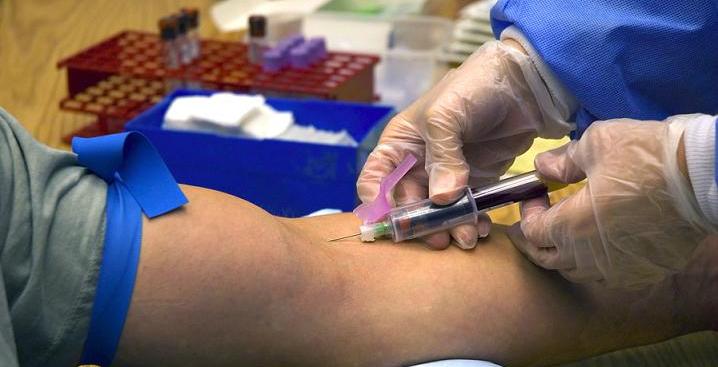
phlebotomy is more than just drawing blood-it’s a critical clinical skill that enhances patient care, speeds up diagnostic processes, and expands a nurse’s professional toolkit. Whether you’re starting your nursing career or seeking to advance within a hospital, outpatient clinic, or specialty unit, enrolling in essential phlebotomy classes can improve your competency in venipuncture, capillary puncture, specimen handling, and safety protocols. This comprehensive guide outlines why nurses should consider phlebotomy training,what topics to expect,the various class formats available,and how to leverage certification opportunities to boost your career.
Why Nurses Benefit from Phlebotomy Training
- expanded clinical duties: Mastering blood collection enables you to perform bedside draws, reducing delays and improving workflow.
- Improved patient care: Proficient phlebotomy minimizes patient discomfort, improves sample quality, and lowers the need for repeat draws.
- Certification and advancement: A solid phlebotomy foundation strengthens your resume and eligibility for roles in ED, ICU, infusion centers, and outpatient labs.
- Safety and compliance: Training emphasizes infection control, PPE use, needlestick prevention, and proper specimen labeling-key for regulatory compliance.
For nurses, phlebotomy classes are a practical form of continuing education that aligns with best practices in patient safety, clinical efficiency, and interprofessional collaboration.
Core Phlebotomy Topics for Nurses
Venipuncture Techniques
Venipuncture is the cornerstone of phlebotomy. Nursing-specific training focuses on locating accessible veins,using proper needle gauges,securing the vein,and minimizing tissue trauma. You’ll practice:
- Appropriate patient positioning and vein selection
- Aseptic skin planning and sterile technique
- Standard tourniquet use and needle handling
- Correct sequence for tube collection and order of draw
- Minimizing patient anxiety and avoiding sampling errors
Capillary Puncture (Fingerstick/Heelstick)
Capillary sampling is essential for pediatric, geriatric, or needle-averse patients, as well as point-of-care testing. Training covers:
- When capillary sampling is appropriate
- Warm-up techniques and lancet selection
- Proper depth, pore sites, and specimen collection
- Handling small-volume samples and minimizing hemolysis
Safety, Infection control, and PPE
A strong emphasis on safety reduces risk for patients and staff. Topics include:
- Bloodborne pathogens standards and exposure control
- personal protective equipment (PPE) selection and disposal
- Needle safety devices and proper post-draw handling
- Hand hygiene and surface disinfection
Specimen Labeling, Handling, and transport
Accurate labeling and timely handling ensure reliable results. Learn:
- Patient identifiers and specimen labeling best practices
- Proper tube types and additive usage
- Chain-of-custody and transport requirements
- Communication with the lab and error prevention
Documentation and Communication
Clear documentation supports continuity of care. Topics include:
- Electronic health records notation for specimen collection
- Consent, allergies, and patient history considerations
- Interprofessional communication for critical values
Types of Phlebotomy Classes Available for Nurses
Classroom-Based Courses
Traditional in-person formats provide direct supervision, hands-on practice, and immediate feedback from instructors. Ideal for learners who prefer real-time demonstrations and peer practice.
Online Theoretical Courses
Online phlebotomy theory covers anatomy, physiology, safety, labeling, specimen handling, and regulatory guidelines. Self-paced modules fit into busy nursing schedules, but typically require hands-on supervised practice to meet competency standards.
Hybrid Programs
Hybrid formats combine online theory with a structured in-person practicum. You gain adaptability while ensuring you achieve practical proficiency under supervision.
Hands-On Clinical Practicums
Clinical practicums provide real-world blood draws under the supervision of experienced phlebotomists or nurses. These sessions are often the most impactful for skill retention and confidence building.
Typical Durations and what to Expect
Durations vary by format and intensity:
- Online theory: 4-8 weeks (self-paced)
- In-person labs: 1-3 days
- Hybrid with practicum: 2-4 weeks
Certification Opportunities and Outcomes
Earning a phlebotomy certification signals a validated level of competence and commitment to high-quality patient care. While requirements differ by region and certifying body, common benefits include broader job opportunities, eligibility for specialized units, and increased confidence in performing blood collection tasks.
- Prerequisites: Completion of an approved phlebotomy program or equivalent hands-on training.
- Certification bodies: Recognized organizations offering phlebotomy credentials include national and regional bodies. Many nurses pursue CPT-style certifications or equivalent credentials through these institutions.
- career impact: Certification can differentiate you in job applications, support promotions, and prepare you for roles in acute care, outpatient labs, and phlebotomy services.
- Continuing education: Maintaining certification often requires ongoing education credits and periodic recertification.
If you’re considering certification, contact your employer’s education department or a local accredited training provider to understand which certifying body is most widely recognized in your area.
Practical Tips for Getting the Most from phlebotomy Classes
- Choose accredited programs: Look for programs that align with national or regional standards and offer supervised hands-on practice.
- Practice regularly: Repetition builds confidence in venipuncture and capillary techniques.
- Ask for feedback: Seek constructive critique from instructors and peers to refine your technique.
- Learn the workflow: Understand the end-to-end process, from patient preparation to specimen transport and lab reporting.
- Prioritize patient comfort: Develop communication strategies to calm anxious patients and explain each step.
- stay current with safety policies: Keep up with updated infection control guidelines and needle safety devices.
- document meticulously: Double-check patient identifiers,specimens,and tube order to reduce pre-analytical errors.
Case Studies: Real-World Impact of Phlebotomy Training for Nurses
Case Study 1: Reducing Repeat Draws in an ER
A nurse who completed a focused phlebotomy course reported fewer failed venipunctures in the emergency department. With enhanced vein assessment and stabilization techniques, the nurse reduced repeat draws by 40% over three months, speeding triage and improving patient satisfaction.
Case Study 2: Improving Pediatric Care in a Clinic
In a pediatric clinic, a nurse leveraged capillary puncture training to perform gentle fingerstick samples for young patients, decreasing the need for venipuncture in anxious children. The clinic observed smoother visits and better parent-reported comfort scores.
First-Hand Experiences: From the Nurse’s Viewpoint
Many nurses describe phlebotomy training as a turning point in their daily practice. Here’s a glimpse of common reflections:
- “I feel more confident at the bedside, especially when dealing with hard-to-find veins.”
- “Learning proper labeling and transport has reduced lab delays and med errors.”
- “The hands-on practice helped me communicate better with patients, calming those who were frightened of needles.”
Quick Reference: Key Techniques and Best Practices
- Follow the correct order of draw to prevent cross-contamination between additives.
- Apply tourniquet appropriately; remove promptly to avoid hemoconcentration.
- Use proper needle size and hold technique to minimize vein trauma.
- Always verify patient identity and specimen labeling before sending to the lab.
- Dispose of sharps immediately in approved containers and maintain a clean workspace.
- Document any issues, patient concerns, or equipment problems for QA purposes.
Resources and Next Steps
If you’re ready to embark on or advance your phlebotomy training as a nurse,consider these steps:
- Check with your hospital’s education department about approved phlebotomy programs.
- Explore online courses from accredited providers with hands-on lab options.
- Plan for a hybrid program that combines theory with a supervised practicum.
- Seek mentorship from experienced phlebotomists or nurse mentors in your department.
- Look into certification options through recognized bodies that partner with nursing programs.
Frequently Asked Questions (FAQ)
- Is phlebotomy training mandatory for nurses?
- Not universally mandatory, but it is highly recommended for nurses who perform blood draws regularly or work in settings where blood collection is common.
- Do online phlebotomy courses qualify for certification?
- Online theory can count toward your education, but most certifying bodies require hands-on practice under supervision before you become certified.
- How long does certification last?
- Recertification requirements vary by certifying body but typically involve ongoing education credits and periodic renewals.
Table: Phlebotomy Class Formats
| Format | What You Learn | Typical Duration | Best For |
|---|---|---|---|
| Online theory | core concepts, safety, labeling, specimen handling | 4-8 weeks (self-paced) | Flexibility for busy nurses |
| In-person hands-on | Guided practice, real-time feedback | 1-3 days | Immediate skill development |
| Hybrid with practicum | Theory + supervised blood draws | 2-4 weeks | Certification-ready with field application |
Conclusion
Essential phlebotomy classes for nurses empower you to deliver safer, faster, and more compassionate patient care. By combining theoretical knowledge with hands-on practice, you’ll master venipuncture, capillary techniques, specimen handling, and safety protocols that align with modern clinical workflows. Whether you pursue online, in-person, or hybrid formats, the right program can open up certification opportunities and advance your career in a variety of settings-from acute care to outpatient laboratories. Commit to ongoing learning, seek feedback from experienced colleagues, and leverage your new skills to enhance patient outcomes and your professional growth.