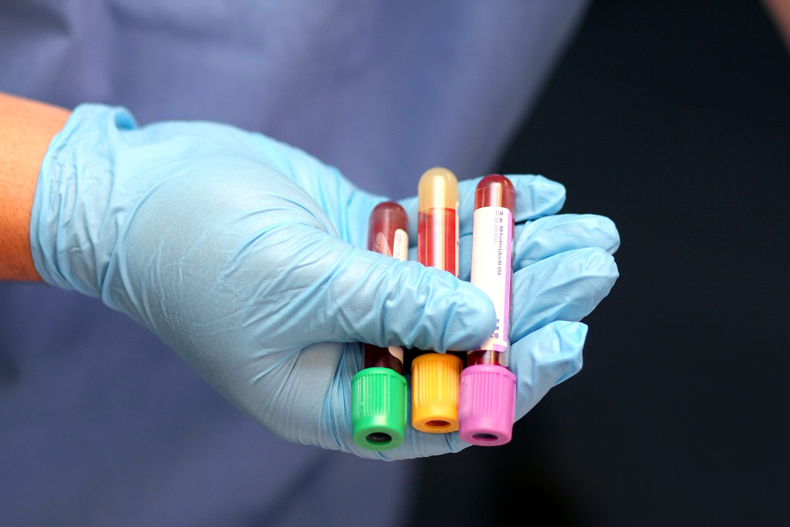
The Ultimate Guide to the Correct order of Draw for Blood Collection: Ensure Accurate Lab Results
Blood tests are vital diagnostic tools used worldwide to assess health, diagnose diseases, and monitor ongoing health conditions. The accuracy of lab results heavily depends on proper blood collection techniques,with the correct order of draw being one of the most critical factors. In this comprehensive guide, we’ll explore the importance of following the correct blood draw order, the standard protocols, practical tips, and common pitfalls to avoid. Whether you’re a healthcare professional or a curious patient, understanding this process ensures reliable test outcomes and optimal patient care.
Understanding the Importance of the Proper Order of draw for Blood Collection
Why Is the Order of Draw Critical?
The order in which blood collection tubes are filled is essential to prevent cross-contamination between additives and maintain sample integrity. Improper order can lead to:
- Contamination of samples: Additives in one tube might affect subsequent samples.
- Inaccurate test results: Altered analyte concentrations can lead to misdiagnosis or ineffective treatment.
- Clotted samples: Incorrect collection techniques can cause clotting, making testing impossible.
Consequences of Neglecting Proper Blood Collection Protocols
“Using the incorrect order may compromise test accuracy, delay diagnosis, and ultimately impact patient care.”
The Standard Order of Draw for Venipuncture
For venipuncture,the Clinical and Laboratory Standards Institute (CLSI) recommends a specific sequence of blood collection tubes to minimize contamination and interference. the standard order includes the following:
Common Blood Collection Tubes and Their Purpose
| Order of Draw | Tube Color / Additive | primary Use |
|---|---|---|
| 1 | Yellow / SPS (Sodium polyanethol Sulfonate) | Blood cultures / microbiology |
| 2 | Light Blue / Sodium Citrate | coagulation studies (PT, APTT) |
| 3 | Serum Separator Tube (SST), Gold or Tiger Top / Clot activator & gel separator | Serum tests: chemistry, serology, blood bank |
| 4 | Light Green / Lithium Heparin | Plasma chemistries, STAT tests |
| 5 | Lavender / EDTA | Hematology, blood counts, blood typing |
| 6 | Gray / Potassium Oxalate / Sodium Fluoride | Glucose testing, Blood Alcohol levels |
Detailed Step-by-Step: Correct Blood Collection Procedure
Preparation and patient Positioning
- Ensure the patient is comfortable, seated or lying down if necessary.
- Identify the correct vein, usually the median cubital vein.
- Apply a tourniquet 3-4 inches above the puncture site to engorge the vein.
- Clean the site with alcohol swab and let it dry entirely.
Blood Collection Process
- Pick the correct tube in accordance with the order of draw.
- Attach the needle securely to the syringe or use a multi-sample holder.
- Insert the needle into the vein at a shallow angle (about 15-30 degrees).
- Allow the tube to fill by vacuum or gently pull the plunger if using a syringe.
- Fill the tubes in the specified order without disturbing the previous tubes.
- Once completed, release the tourniquet before removing the needle.
- Apply pressure to the site with gauze and ask the patient to apply pressure to stop bleeding.
- Label the tubes clearly and promptly.
Post-Collection Care
- Instruct the patient to keep pressure on the site for a few minutes.
- Dispose of sharps in appropriate containers.
- Ensure proper transportation of samples to the laboratory.
Benefits of Following the Correct Order of Draw
- Enhanced sample integrity – reduces contamination risks.
- Reliable lab test results – ensures accuracy for proper diagnosis.
- Efficient workflow – avoiding repeats and delays.
- Patient safety - minimizes unnecessary punctures and discomfort.
Practical Tips for Proper Blood Collection
- Use the correct tubes and additives for specific tests.
- Always verify the tube order prior to collection.
- Handle blood samples gently to prevent hemolysis.
- Double-check patient identification to avoid sample mix-ups.
- Maintain aseptic technique to prevent contamination and infections.
Common Mistakes and How to Avoid Them
- Drawing tubes out of order: Always follow CLSI or organization-specific protocols.
- Shaking tubes vigorously: Increases hemolysis; invert gently.
- Not labeling tubes immediately: Prevent mix-ups or lost samples.
- Using contaminated or expired materials: Check expiry dates and cleanliness.
- Overfilling or underfilling tubes: Fill to indicated level for accurate results.
Case Study: Impacts of Incorrect Blood Draw order
Consider a hospital laboratory where a technician mistakenly drew the serum tube before the citrate tube for coagulation testing. The contamination of the citrate tube by serum or additives resulted in falsely prolonged clotting times, leading to misdiagnosis of coagulopathy.By strictly adhering to the correct order,such errors can be eliminated,ensuring precise and reliable laboratory results.
First-Hand Experience: Tips from Experienced Phlebotomists
“Consistency is key. following the standard order of draw not only streamlines the process but also guarantees patient safety and lab accuracy.” – Jane D., Certified Phlebotomist
Conclusion
Mastering the correct order of draw for blood collection is essential for healthcare providers, laboratory personnel, and even patients involved in self-collection. Following standardized procedures helps prevent cross-contamination,hemolysis,and inaccurate test results,ensuring reliable diagnostics and optimal patient outcomes. Remember, meticulous attention to detail, proper technique, and adherence to guidelines are the cornerstones of successful blood collection. By integrating these practices into your routine, you contribute to high-quality healthcare and trustworthy laboratory data.
Additional Resources
- CLSI H03-A6 guidelines for Phlebotomy
- Benefits of Proper Blood Collection
- Practical Tips for Healthcare Professionals