**The Ultimate Guide to Phlebotomy Training: Everything You Need to Know**
If you’re interested in pursuing a career in the healthcare field that doesn’t require several years of schooling, phlebotomy might be the perfect career for you. Phlebotomists are trained professionals who specialize in drawing blood from patients for various medical tests, transfusions, donations, or research. In this comprehensive guide, we will cover everything you need to know about phlebotomy training to kickstart your career in this rewarding field.
**What is Phlebotomy?**
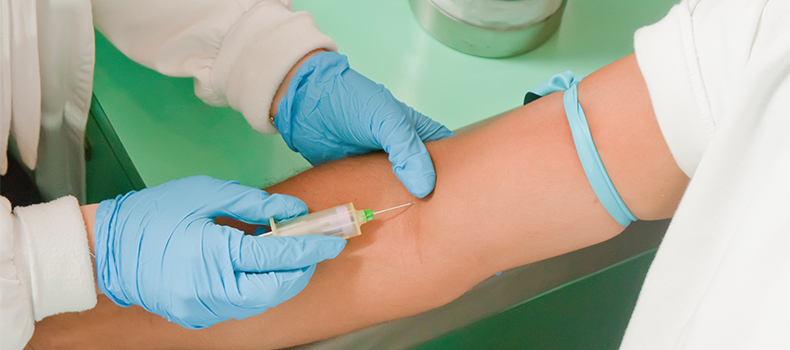
Phlebotomy is a crucial part of the healthcare industry, as accurate and timely blood collection is essential for diagnosing various medical conditions. Phlebotomists are responsible for collecting blood samples, labeling them correctly, and ensuring they are delivered to the lab for testing. They must also follow strict protocols to prevent contamination and ensure patient safety.
**Phlebotomy Training Program**
To become a certified phlebotomist, you must complete a phlebotomy training program. These programs are typically offered by vocational schools, community colleges, and healthcare institutions. The duration of the training program varies, but most programs can be completed in 4-8 months.
**Curriculum**
Phlebotomy training programs cover a range of topics, including anatomy and physiology, medical terminology, venipuncture techniques, infection control, and patient care. Students also receive hands-on training in drawing blood from actual patients under the supervision of experienced phlebotomists.
**Certification**
While certification is not required in all states, it is highly recommended as most employers prefer to hire certified phlebotomists. The most recognized certifying bodies for phlebotomy are the National Healthcareer Association (NHA) and the American Society for Clinical Pathology (ASCP). To become certified, you must pass an exam that tests your knowledge and skills in phlebotomy.
**Benefits of Phlebotomy Training**
– High-demand career: Phlebotomists are in high demand in hospitals, clinics, blood banks, and laboratories.
– Competitive salary: Phlebotomists can earn a competitive salary, with the potential for growth.
– Job stability: The healthcare industry is always in need of phlebotomists, providing job stability.
– Career advancement: With experience and additional training, phlebotomists can advance to supervisory roles or specialize in areas such as pediatric phlebotomy or geriatric phlebotomy.
**Practical Tips for Success**
– Practice makes perfect: Practice your venipuncture techniques regularly to build your confidence and skills.
– Develop good communication skills: Phlebotomists interact with patients daily, so excellent communication skills are essential.
– Stay up to date: Stay informed about the latest trends and developments in phlebotomy to be a successful professional.
**Conclusion**
Phlebotomy training is an excellent choice for individuals looking to start a career in the healthcare field without committing to years of schooling. By completing a phlebotomy training program and becoming certified, you can jumpstart your career as a phlebotomist and enjoy a rewarding and fulfilling career. Remember to practice regularly, stay updated on industry trends, and develop excellent communication skills to excel in this field. Good luck on your journey to becoming a certified phlebotomist!