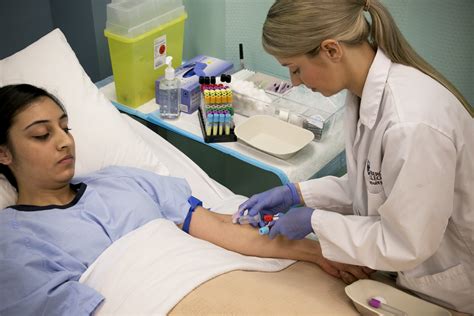
Phlebotomy is a crucial aspect of healthcare, as it involves the process of drawing blood for various tests and procedures. One of the key components of phlebotomy is understanding the order of draw, which refers to the sequence in which blood samples are collected in order to prevent cross-contamination and ensure accurate test results. In this comprehensive guide, we will break down the order of draw for phlebotomy, providing you with a step-by-step breakdown to help you master this essential skill.
### Importance of the Order of Draw
Understanding and following the correct order of draw is essential for several reasons:
1. **Prevention of cross-contamination:** By following the specified order, you can minimize the risk of contaminating blood samples with additives from previous tubes.
2. **Accurate test results:** Different blood tests require different types of tubes and additives. Adhering to the order of draw ensures that each sample is collected properly to prevent inaccurate results.
3. **Efficiency:** Knowing the order of draw can help streamline the phlebotomy process, saving time and resources.
### The Step-by-Step Breakdown
1. **Gather all necessary supplies:** Before beginning the blood draw, make sure you have all the required tubes, labels, alcohol pads, tourniquet, and other materials.
2. **Identify the patient:** Verify the patient’s identity using at least two unique identifiers, such as their name and date of birth.
3. **Prepare the collection site:** Clean the site with an alcohol pad and allow it to dry completely before starting the blood draw.
4. **Follow the order of draw:** The standard order of draw for venous blood collection is as follows:
– **Yellow (SPS) or sterile**: For blood culture bottles to prevent contamination.
– **Light blue**: For coagulation tests, such as PT and PTT.
– **Red**: For serum tests, including chemistries, serologies, and blood bank.
– **Green**: For plasma determinations, such as electrolytes and ammonia.
– **Lavender**: For whole blood hematology tests, such as CBC and ESR.
– **Gray**: For glucose and blood alcohol levels.
**Here is a visual representation of the order of draw:**
| Tube Color | Additive | Common Tests |
|————|———-|————–|
| Yellow | SPS | Blood Cultures|
| Light Blue | Sodium Citrate | PT, PTT|
| Red | Clot Activator | Chemistry, Serology, Blood Bank|
| Green | Heparin | Electolytes, Ammonia|
| Lavender | EDTA | CBC, ESR|
| Gray | Oxalate/Fluoride | Glucose, Blood Alcohol|
5. **Label each tube:** After collecting each blood sample, label the corresponding tube with the patient’s information, date, and time of collection.
6. **Mix the tubes:** Gently invert the tubes to mix the blood with the additives, ensuring proper mixing for accurate test results.
7. **Handle and transport the samples properly:** Follow proper handling and transportation guidelines to ensure the integrity of the blood samples.
### Benefits and Practical Tips
– Following the order of draw can help prevent errors and ensure the accuracy of test results.
– Make sure to use the correct size needle for the blood draw to avoid complications.
– Practice good phlebotomy techniques, such as anchoring the vein and maintaining a sterile field.
### Conclusion
Mastering the order of draw for phlebotomy is essential for healthcare professionals to ensure accurate and reliable test results. By following the step-by-step breakdown provided in this guide and understanding the importance of the order of draw, you can improve the quality of patient care and contribute to the overall efficiency of the healthcare system. Practice, attention to detail, and adherence to proper procedures will help you become proficient in this critical aspect of phlebotomy.