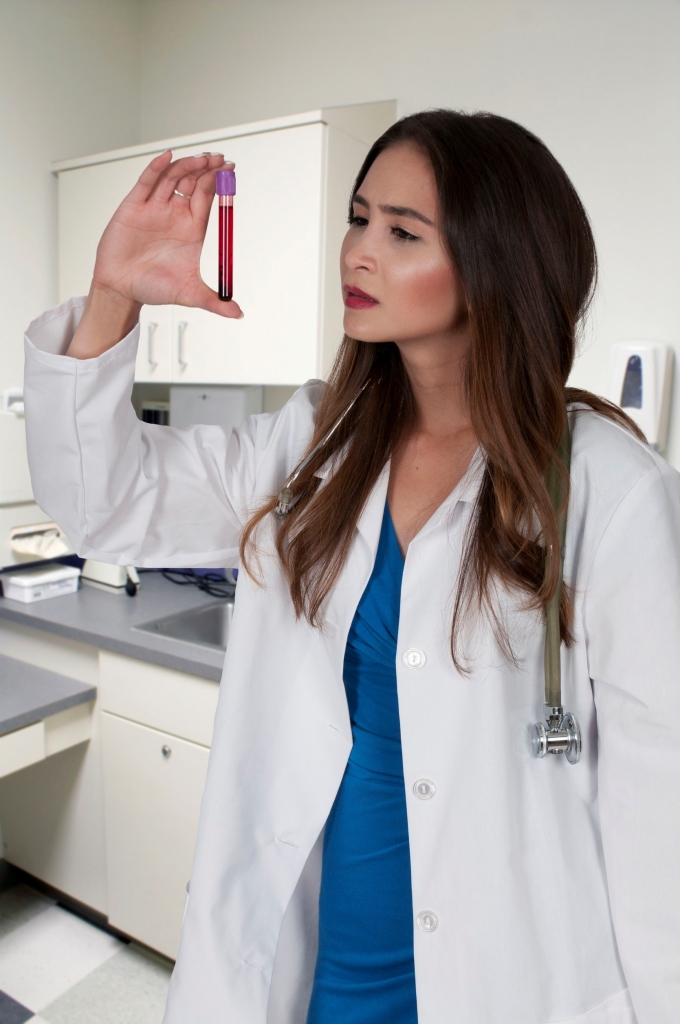
How Much Does Phlebotomy Training Cost? | Complete Guide to Budgeting & Value
If you’re considering a career in healthcare, becoming a phlebotomist can be a rewarding choice. Not only does it offer an entry point into the medical field, but it also provides a pathway to stable employment and growth opportunities. However, one of the moast common questions prospective students have is, “How much does phlebotomy training cost?” In this comprehensive guide, we’ll explore the factors influencing training costs, provide budgeting tips, highlight the value of investing in quality education, and share practical insights to help you make informed decisions.
Understanding Phlebotomy Training Costs
the cost of phlebotomy training can vary widely depending on several factors. On average, prospective students should expect to invest between $700 and $3,000 for comprehensive training programs.LetS delve into what contributes to this price range.
Factors Influencing Training Cost
- type of Programme: Community colleges, vocational schools, private institutes, and online courses all offer phlebotomy training at diffrent price points.
- Program Duration & Content: Shorter programs might potentially be less expensive but may not provide extensive hands-on practice,whereas longer,in-depth programs tend to cost more.
- Location: Prices can differ based on geographic location due to cost of living and local demand.
- Accreditation & Certification: Programs accredited by recognized bodies may cost more but frequently enough provide better value and increased job prospects.
- Additional Fees: Expenses such as supplies, uniforms, background checks, and certification examination fees should also be considered.
Breakdown of Typical Phlebotomy training Costs
here’s an approximate breakdown of common expenses associated with phlebotomy training:
| Cost Item | Estimated Cost Range | Description |
|---|---|---|
| Tuition | $700 - $2,500 | Cost of enrollment for in-person or online courses |
| Lab & Practice Supplies | $50 – $200 | Needles, tourniquets, gloves, and other supplies for hands-on practice |
| Certification Exam Fee | $90 – $150 | Cost to take the Certified Phlebotomy Technician (CPT) exam |
| Background Check & CPR Certification | $50 – $150 | Mandatory requirements for most employers |
| Uniforms & Materials | $30 – $100 | Scrubs, ID badge, and study materials |
Budgeting Tips for Aspiring Phlebotomists
Managing training costs effectively ensures you can start your career without financial stress. Here are some practical budgeting tips:
- Research Scholarships & Grants: Some institutions and organizations offer financial aid specifically for healthcare students.
- Compare Program Costs & Value: Don’t just choose the cheapest option; consider program quality, certification pass rates, and employment support.
- Plan for Hidden Expenses: Account for supplies, exam fees, uniforms, and transportation costs.
- Look for Bundle Offers: Some programs include certification, supplies, and CPR training in one package.
- Consider Online programs: These often have lower tuition fees and higher flexibility, saving costs on commuting and accommodation.
Benefits and Value of Investing in Quality Phlebotomy Training
While it’s tempting to choose the most affordable option, investing in high-quality phlebotomy training offers long-term benefits:
- Better Employability: Accredited programs increase your chances of passing certification exams and securing job offers.
- Enhanced Skills & Confidence: Practical, hands-on training ensures you’re well-prepared for real-world scenarios.
- Career Advancement Opportunities: Certified phlebotomists often qualify for higher-paying roles or specialization.
- Networking & Support: Established programs provide connections to healthcare employers and ongoing professional development.
Real-Life Case Studies
Case Study 1: Maria’s Budget-Friendly Start
Maria enrolled in a community college program costing approximately $800. She completed her training in four weeks, obtained her certification, and found a phlebotomy position within two months. Her smart budgeting and choosing an accredited but affordable program helped her launch her healthcare career without debt.
Case Study 2: John’s Long-term Investment
John invested $2,200 in a private, comprehensive phlebotomy certification program, which included extensive hands-on practice and job placement support. Today, he earns a higher salary and has opportunities to specialize in venipuncture, demonstrating how high-quality training can pay off in career growth.
First-Hand Experience & practical Tips
Many triumphant phlebotomists agree that practical experience is invaluable. Here are some tips from industry insiders:
- Volunteer or Intern: Gain real-world experience even before formal training.
- Practice Techniques: Use simulation equipment or practice on friends or family members (with consent).
- Stay Updated: Keep learning about new technologies and procedures to stay competitive.
- Maintain Certifications: Regularly renew CPR and certification as required to keep your skills sharp.
Conclusion
the cost of phlebotomy training varies depending on program type, location, and included services, typically ranging from $700 to $3,000. While budgeting for this investment is notable, it’s equally essential to consider the value of a reputable, accredited program that can facilitate your success and long-term career growth. By researching options, planning your finances carefully, and prioritizing quality education, you can confidently embark on your journey to becoming a skilled healthcare professional.
Remember, investing in your education is investing in your future. With the right training and determination,you can enjoy a rewarding career as a phlebotomist and make a difference in patients’ lives every day.