Mastering Phlebotomy: Essential Techniques for Safe and Accurate Blood Collection
Phlebotomy, teh practice of drawing blood for laboratory testing, transfusions, or donations, is a critical skill in the healthcare field. Proper blood collection techniques ensure patient safety, accuracy of test results, and the overall success of medical procedures.Whether you’re a seasoned professional or a beginner, mastering the essential techniques of phlebotomy is vital for delivering quality care. This extensive guide offers valuable insights into safe and effective blood collection, practical tips, and real-world case studies to help you excel in phlebotomy.
Understanding the Importance of Proper blood Collection Techniques
Effective phlebotomy techniques are essential to obtaining accurate laboratory results and maintaining patient comfort and safety. poor technique can lead to hemolysis (rupture of red blood cells), sample contamination, or injury to the patient. Moreover, following established protocols minimizes the risk of infection and ensures compliance with healthcare standards.
Key Components of Mastering Phlebotomy
1.Preparing for Blood Collection
- Verify patient identity using two identifiers.
- ensure all necessary supplies are available and sterile.
- Explain the procedure to the patient to reduce anxiety.
- Wash hands thoroughly and wear appropriate PPE ( gloves, masks if needed ).
2. Choosing the Correct Equipment
- Needle gauge: typically 21G or 22G for standard blood draws.
- Collection tubes: different types based on tests ordered (e.g., EDTA, serum tubes).
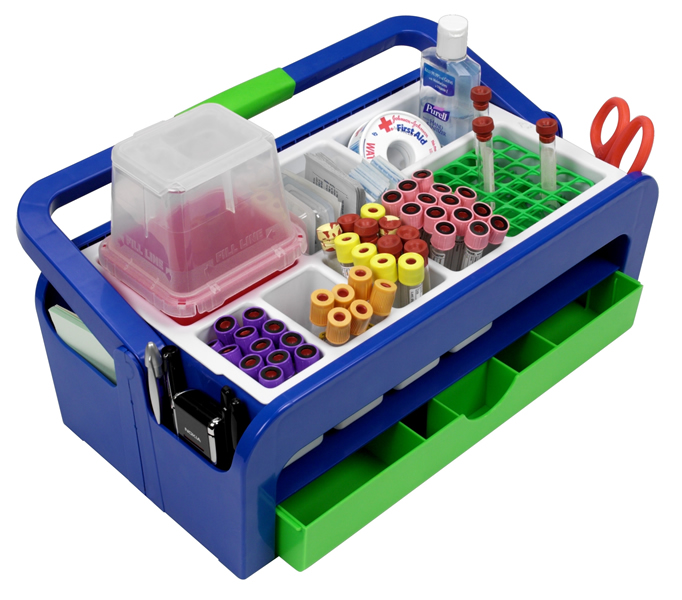
- Tourniquet, alcohol swabs, cotton balls, adhesive bandages.
3.Proper Site Selection and Preparation
The median cubital vein is usually the first choice for venipuncture due to its size and stability.
- Assess for suitable veins; avoid Scarred, painful, or rolled veins.
- Apply the tourniquet 3-4 inches above the selected site, ensuring it isn’t too tight or left on for more than one minute.
- Clean the site with an alcohol swab and allow it to air dry entirely to prevent hemolysis or sample contamination.
4. Performing the Blood draw
- Anchor the vein by gently pulling the skin below the site.
- Insert the needle at a 15 to 30-degree angle with the bevel facing up.
- Secure the tube or collection device, and gently fill in order of draw as per protocol.
- Release the tourniquet before withdrawing the needle to prevent hemoconcentration.
- Withdraw the needle smoothly and apply pressure immediately to minimize bleeding and hematoma formation.
5. Post-Collection Care
- Apply pressure with cotton and bandage the site.
- Label the tubes accurately with patient facts.
- Dispose of sharps safely in designated containers.
- Transport samples per laboratory guidelines, ensuring they are stored at correct temperatures.
Essential Tips for Safer,Accurate Blood Collection
- always verify patient identity to prevent errors.
- Use the correct needle size and collection tubes to match the test requirements.
- Maintain a clean and organized work habitat to prevent contamination.
- Communicate clearly with patients to comfort and reduce anxiety.
- Practice proper needle insertion and withdrawal techniques to minimize discomfort and injury.
- Document carefully all collection details to ensure traceability.
Benefits of Mastering Phlebotomy
| Benefit | Description |
|---|---|
| Improved Patient Safety | reducing risks such as infection, hematoma, and injury. |
| Higher Quality Test Results | Ensuring sample integrity for accurate diagnoses. |
| Increased Confidence | Skillful techniques lead to patient trust and professional reputation. |
| Career Advancement | Mastery can open doors to specialized roles in healthcare. |
practical Tips to Enhance Your Phlebotomy Skills
- Practice on mannequins or volunteer patients to improve technique.
- Stay updated with latest guidelines and protocols.
- Attend workshops and certification courses.
- Seek feedback from experienced colleagues.
- Maintain a clean technique and adhere to universal precautions.
Case Study: Overcoming challenges in Blood Collection
Jane, a novice phlebotomist, faced difficulty drawing blood from a patient with small, rolling veins.By applying gentle tapping to encourage vein prominence and using a smaller gauge needle, she successfully completed the draw while ensuring patient comfort. This case highlights the importance of adaptive techniques and patience in phlebotomy practice.
First-Hand Experience: Lessons Learned in the Field
In real-world settings, even seasoned professionals encounter diverse challenges — from anxious patients to difficult veins. continuous learning, staying calm under pressure, and meticulous technique are keys to mastering blood collection. Personal experiences emphasize the importance of patience, communication, and adherence to safety standards.
Conclusion
Mastering phlebotomy involves more than just technical skills; it demands attention to detail, patient empathy, and adherence to safety protocols. By understanding and practicing essential blood collection techniques,healthcare professionals can ensure safe,accurate,and efficient blood draws. Continuous education and practical experience are vital to becoming a proficient phlebotomist.Whether you’re just starting or looking to refine your skills, the principles outlined in this article will serve as a reliable guide in your journey toward excellence in blood collection.