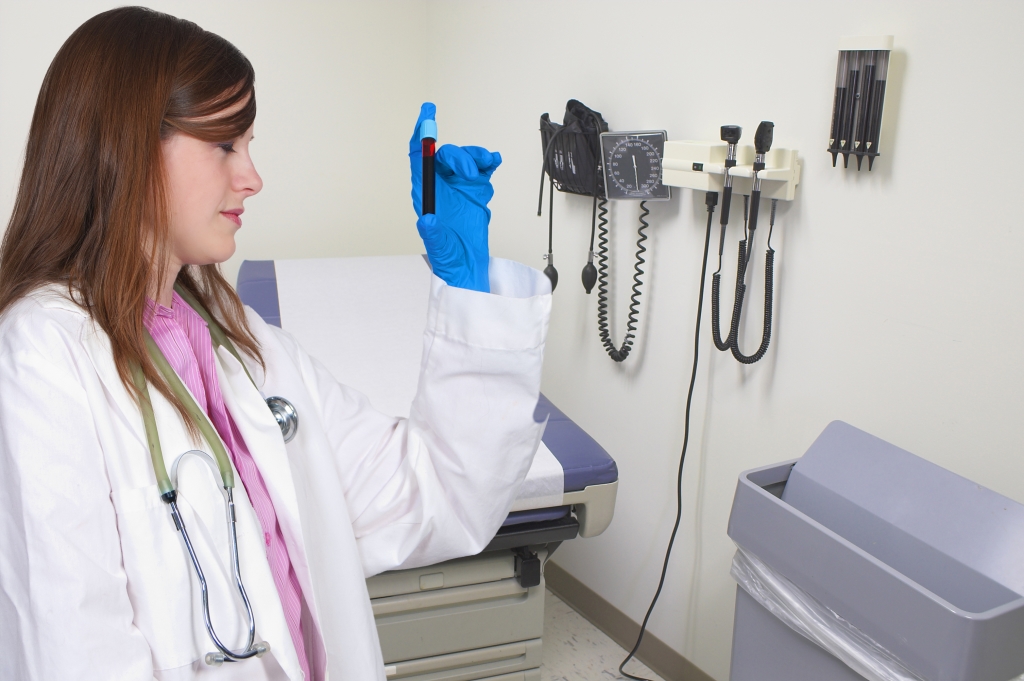
Unlock Your Healthcare Career: The Ultimate Guide to Earning a Phlebotomy Degree
Introduction: Why a Phlebotomy Degree Could Be Your fast Track into Healthcare
If you’re exploring a reliable entry point into the healthcare field, a phlebotomy degree can be a smart,
practical choice. Phlebotomy technicians are on the front lines of patient care, performing one of the most
common and essential tasks in modern laboratories: drawing blood for tests, transfusions, and research.With a growing demand for accurate specimen collection and compassionate patient interaction, pursuing a
phlebotomy degree-whether as a certificate, diploma, or associate degree-can help you launch a rewarding
career in hospitals, clinics, blood banks, and even mobile phlebotomy services.
This ultimate guide walks you through program options, coursework, certification paths, practical tips, and
real-world expectations. Whether you’re starting fresh, switching careers, or seeking a faster pathway to
a healthcare role, you’ll find actionable steps to unlock your potential in the phlebotomy field.
Why Choose a Phlebotomy Degree as Your Healthcare Start
- high demand: Phlebotomy technicians are essential in clinical labs, hospitals, clinics, and diagnostic centers.
- Shorter training timelines: Many certificate programs can be completed in less than a year, helping you enter the workforce sooner.
- Clear career ladder: A phlebotomy degree can serve as a stepping stone to roles in lab tech,diagnostic imaging,or nursing.
- Hands-on,patient-centered work: You’ll gain skills in patient communication,infection control,and precise blood collection.
- Flexible options: Weekend or evening schedules and online components are common in many programs.
While phlebotomy is a focused field,the skills you acquire-precise technique,quality control,and
compliance with safety standards-translate well to broader healthcare roles. If you enjoy helping people
and want a tangible, in-demand specialty, a phlebotomy degree could be the perfect fit.
What Is a Phlebotomy Degree?
A phlebotomy degree refers to structured education that prepares you to perform blood collection,
specimen handling, and related duties in a lab or clinical setting. Programs come in several formats:
- Phlebotomy Certificate: Shorter programs (often 6-12 months) focused on core blood-draw techniques, safety, and specimen labeling.
- Phlebotomy Diploma: A slightly longer credential that may include more hands-on practice and foundational lab topics.
- Associate Degree in Phlebotomy or allied Health (AAS or similar): A two-year pathway that blends phlebotomy skills with general education and may open doors to broader clinical lab roles.
Regardless of the credential type, you’ll learn essential skills such as bloodborne-pathogen safety,
specimen collection by various methods (venipuncture, capillary, blood culture when applicable), order of
draw, patient interaction, and proper labeling and transport of samples.
Program Options: Certificate, Diploma, or Associate Degree
Certificate in Phlebotomy
Duration typically ranges from 6 to 12 months. Ideal for career switching or adding a fast-entry entry point.
Phlebotomy Diploma
Often 12-18 months, with more extensive clinical practice and a broader introduction to laboratory operations.
Associate Degree in Phlebotomy or Allied Health
Usually 2 years, combining general education with phlebotomy coursework. May include internship/externship opportunities and can support eligibility for higher-level lab roles.
Note: Program length varies by institution and region. Check accreditation, clinical site availability, and hands-on
training opportunities when choosing a program.
| Program Type | Typical Duration | key Focus | Career Outcome |
|---|---|---|---|
| Certificate | 6-12 months | intro to venipuncture,safety,specimen handling | Phlebotomy Technician,Lab Support |
| Diploma | 12-18 months | Hands-on blood collection,referral processes,quality control | phlebotomy Technician,Senior Tech Assistant |
| Associate Degree | 2 years | Phlebotomy plus general education and clinical externship | Lab Assistant,Pathology Support,gateway to higher CLT roles |
Curriculum Overview: What you’ll Learn
While specifics vary by program,most phlebotomy curricula cover the following core areas:
- Fundamentals of anatomy,physiology,and hematology basics
- Safety,infection control,and global precautions
- Proper venipuncture and capillary collection techniques
- Order of draw,specimen labeling,and chain-of-custody
- Specimen handling,transportation,and lab requisitions
- Quality assurance,error prevention,and patient safety
- Communication skills and dealing with difficult patients
- HIPAA and privacy considerations for healthcare workers
- Clinical externship/ practicum in a real lab or hospital
Certification and Licensing: What to Expect After Graduation
Certification is typically recommended or required by employers,though requirements vary by state and facility.
Common routes include national certifying organizations such as the American Society for Clinical Pathology (ASCP),
National Healthcareer Association (NHA),and other credentialing bodies. A few notes:
- Certification often requires completion of an approved phlebotomy program and passing an exam.
- Some states or employers require or prefer licensure or registration for phlebotomy technicians. Check your state’s regulations.
- Maintaining certification usually involves continuing education and periodic recertification.
When evaluating programs, confirm which certifications their graduates typically pursue and whether the program offers exam prep,
externships, or job placement assistance.
Admissions Prep: How to Get Into a Phlebotomy Program
- Meet basic requirements: high school diploma or GED, and any prerequisite courses (often biology or anatomy).
- Review program accreditation and state approval to ensure transferability and job eligibility.
- Prepare for a program-specific interview or orientation, if applicable.
- Consider tuition, financial aid options, and potential employer tuition reimbursement programs.
- Plan for hands-on training: ensure externships or clinical sites are available near you.
Practical Tips to Succeed in Your Phlebotomy Training
- Practice technique: use simulations and supervised practice to build confidence before patient interaction.
- Develop patient communication: greet patients warmly, explain procedures simply, and address anxiety.
- Stay organized: learn proper labeling, specimen handling, and documentation early.
- Prioritize safety: consistently follow infection control practices and use PPE as required.
- Engage in the externship: observe experienced staff, ask questions, and seek feedback.
- Plan for the long term: map your career goals beyond the entry role to expand opportunities.
Case Studies and Firsthand Experience
Here are two short, anonymized scenarios that illustrate real-world phlebotomy work:
Case 1: A student in a certificate program completed hands-on venipuncture with supervision. After practicing
proper patient communication, they successfully collected samples from a frightened pediatric patient by using gentle
language, distraction techniques, and a calm demeanor-leading to a smooth procedure and positive patient experience.
Case 2: A trainee in an associate-degree track completed an externship in a hospital lab. They learned to identify
specimen labeling errors and implemented a double-check process with a tech, reducing mislabeled tubes by 30% during
the rotation. They earned strong recommendations for a full-time position.
Career Outlook, salary, and Advancement
The demand for skilled phlebotomy technicians remains steady due to the continuous need for accurate lab testing in
clinical care. Job prospects are strong in hospitals, clinics, blood banks, and diagnostic laboratories. Entry-level
salaries vary by location, experience, and the setting, but a solid phlebotomy background often leads to competitive
wages and opportunities for advancement.
- Entry-level salary ranges commonly reflect regional cost of living and facility type.
- With experience, phlebotomy technicians may transition to lead technician roles, quality assurance, or supervisory positions.
- Further education can open doors to technical roles in specimen governance, lab coordination, or nursing/medical assisting pathways.
Tools, Skills, and Best Practices you’ll Master
- Venipuncture techniques for adults, children, and special populations
- Specimen handling, transport, and proper labeling
- Blood collection equipment usage and maintenance
- Quality control, infection control, and safety compliance
- Patient-centered communication and empathy
- Electrical and chemical safety in the lab environment
Benefits of Earning a Phlebotomy Degree
- Faster entry into the healthcare workforce compared to longer degree programs
- High demand and job stability across healthcare settings
- Foundational skills applicable to broader clinical lab roles
- Clear path to certifications and ongoing professional progress
Quick Start: Steps to Begin Your Phlebotomy Journey
- Research accredited phlebotomy programs near you and compare formats (online, hybrid, on-campus).
- choose the program type that fits your timeline and budget: certificate, diploma, or associate degree.
- Prepare for admissions: gather transcripts, letters of suggestion, and financial aid facts.
- Plan for hands-on training and externships; verify available clinical sites.
- Upon graduation, pursue a board-certified or state-recognized certification to boost employability.
Conclusion: Start Your Phlebotomy Journey Today
A phlebotomy degree offers a practical, in-demand pathway into healthcare. Whether you pursue a short-term certificate
or an associate degree, you’ll gain critical hands-on skills, patient-care experience, and a strong foundation for
further medical training. Use this guide to compare programs, plan your coursework, and map your career trajectory.
Ready to unlock your healthcare career? Start by identifying accredited phlebotomy programs in your area,confirm
eligibility for certification,and network with local labs or hospitals about externships. With dedication and the right
program, you can contribute to patient care, advance to higher clinical roles, and build a fulfilling career in a field
that values precise technique, empathy, and scientific precision.
Pro tip: If you’re unsure which credential to choose, contact a few local employers or hospital human resources
departments to learn which certifications they prefer for entry-level phlebotomy positions in your area.