What Is a Phlebotomist? Expert Role, Duties, and How to Start Your Medical Career
if you’re considering a career in the healthcare industry that combines technical skills with patient interaction, becoming a phlebotomist might be an excellent choice. As a vital part of medical teams,phlebotomists are responsible for drawing blood samples,which are essential for lab testing,diagnostics,and patient care. This article explores the role of a phlebotomist, their duties, the skills required, and practical steps to launch your rewarding career in this field.
What Is a Phlebotomist?
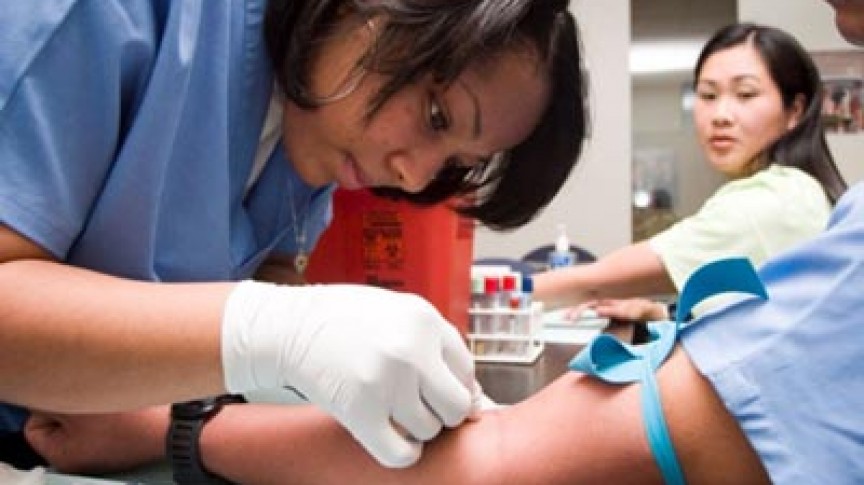
A phlebotomist is a healthcare professional trained to draw blood from patients for laboratory testing, blood donation, transfusions, or research. The word “phlebotomy” refers to the process of making an incision in a vein, typically to collect blood samples. Phlebotomists play a crucial role in the diagnostic process, ensuring blood samples are collected, labeled, and transported correctly for analysis.
the Role and Importance of a Phlebotomist
In most healthcare settings, phlebotomists serve as the frontline professionals handling specimen collection. they work in hospitals, clinics, blood banks, laboratories, and outpatient facilities. Their expertise ensures that blood samples are collected safely, accurately, and with minimal discomfort for patients, which directly impacts diagnostic accuracy and patient outcomes.
Key Duties and Responsibilities of a Phlebotomist
- Preparing patients and explaining the blood collection process
- Verifying patient identity and labeling samples correctly
- Gathering supplies and maintaining sterile surroundings
- Drawing blood using various techniques (venipuncture, capillary, butterfly method)
- Handling and processing blood specimens with care
- Maintaining accurate records of samples collected
- Ensuring compliance with safety and infection control protocols
- Providing excellent patient care and addressing patient concerns
Skills and Qualities Needed to Thrive as a Phlebotomist
Success in phlebotomy requires a combination of technical skills and personal attributes, including:
- Manual dexterity: Precise needle insertion and handling small tools
- Dialog skills: Explaining procedures and comforting patients
- Attention to detail: Correctly labeling and handling specimens
- Patience and compassion: Managing nervous or anxious patients
- Physical stamina: Standing for long periods and performing repetitive tasks
- Knowledge of safety protocols: Infection control and proper disposal of sharps
How to Start your Medical Career as a Phlebotomist
Embarking on a career in phlebotomy involves several steps, from education to certification. Here’s how to get started:
Educational Requirements
Most entry-level phlebotomist positions require a high school diploma or equivalent. Formal training programs are highly recommended to gain practical skills and knowledge for safe blood collection and patient interaction.
Phlebotomy training Programs
- Enroll in accredited phlebotomy technician courses offered by community colleges, technical schools, or healthcare institutions.
- Training typically lasts between 4-8 weeks.
- Courses cover anatomy, blood collection techniques, safety procedures, and specimen handling.
Certification Process
While certification is not mandatory in all states,obtaining a certification can boost employability and credibility. Recommended certifying agencies include:
- American Society for Clinical Pathology (ASCP)
- National Phlebotomy Association (NPA)
- American Medical Technologists (AMT)
Requirements vary but often include completing a certain number of supervised blood draws and passing an exam.
Gaining Practical Experience
- Complete internships or externships as part of your training program.
- Register with your state’s healthcare board if required.
- Apply for entry-level phlebotomy positions in hospitals, clinics, or laboratories.
Benefits and Practical Tips for Aspiring Phlebotomists
Key Benefits
- Growing demand for healthcare professionals
- Relatively quick training and certification process
- Chance for flexible work hours
- Rewarding work helping patients and supporting diagnosis
- Potential to advance into specialized medical roles
practical Tips for Success
- maintain professionalism and compassion in every patient interaction
- Stay current with new techniques and safety protocols
- Develop strong organizational skills for specimen processing
- Seek mentorship and feedback to improve your skills
- Prioritize self-care to handle physically demanding tasks
Case Studies: Real-life Experiences of Phlebotomists
| Scenario | Outcome |
|---|---|
| Drawing blood from a Pediatric patient with anxiety | Used calming techniques and achieved successful blood draw, boosting patient confidence |
| Handling a needle-phobic adult patient | Demonstrated patience and provided reassurance, ensuring a smooth procedure |
| Managing a busy hospital lab | Streamlined sample processing, reducing turnaround time by 20% |
First-Hand Experience: Thoughts from a Certified Phlebotomist
“Becoming a phlebotomist has been incredibly fulfilling. I enjoy working directly with patients, especially when I can comfort someone anxious about giving blood. The training was straightforward, and certification opened doors to a stable and rewarding career. It’s a perfect entry point into healthcare for those who appreciate a hands-on role with a meaningful impact.” – Jane D., Certified phlebotomist
Conclusion
a phlebotomist is an essential healthcare professional responsible for blood collection, playing a key role in accurate diagnosis and patient care. With the right training, certification, and personal qualities such as compassion and attention to detail, you can forge a successful and fulfilling career in medical specimen collection. Whether you’re just starting out or considering a career change, phlebotomy offers numerous benefits, including job stability, growth opportunities, and the satisfaction of helping others. begin your journey today and take the first step toward a rewarding medical career!