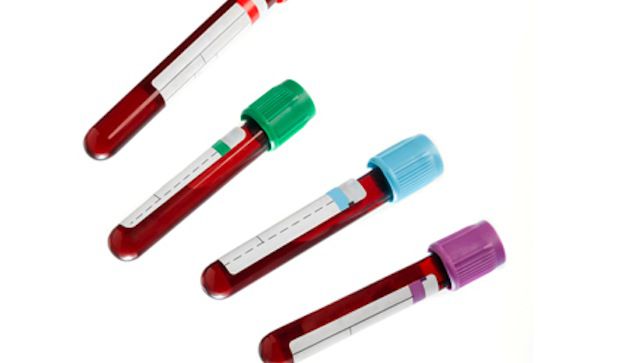
Understanding the Essential role of a Phlebotomist: Key Responsibilities and Career Insights
If you’re considering a career in healthcare or seeking to understand the vital roles that keep our medical system running smoothly, the profession of a phlebotomist deserves special attention. These healthcare professionals are essential in collecting blood samples that are crucial for diagnoses, treatments, and medical research. In this thorough guide,we’ll explore the key responsibilities of a phlebotomist,the benefits of this career,practical tips for success,and insights into advancing in this rewarding field.
What Is a Phlebotomist?
A phlebotomist is a trained healthcare professional responsible for drawing blood from patients or donors for laboratory testing, blood donations, or research. Their work plays a basic role in the healthcare system,aiding in disease diagnosis,treatment planning,and medical studies. The importance of phlebotomists extends beyond mere blood collection—they interact with a diverse patient demographic, requiring both technical skill and compassionate communication.
Key responsibilities of a Phlebotomist
1.Blood Sample Collection
The primary duty of a phlebotomist is to safely and effectively collect blood samples using various techniques such as venipuncture or capillary puncture. Proper collection ensures accurate lab results and patient safety.
2. Patient Readiness and Comfort
Phlebotomists must prepare patients for blood draws, calmly explain the procedures, and ensure patient comfort, especially for those who are anxious or fearful.
3. Labeling and Handling Specimens
Accurate labeling of blood samples is vital to prevent errors. Phlebotomists handle specimens with care, following strict protocols for transport and storage to preserve sample integrity.
4. Maintaining Equipment and Facility Hygiene
Ensuring all collection equipment is sterilized and maintaining a clean habitat are essential for infection control and compliance with healthcare standards.
5. Documenting and Recording Data
Proper documentation of blood draws, patient details, and sample information is critical for accurate laboratory processing and legal compliance.
6. patient Interaction and Education
Phlebotomists often educate patients about the procedure, answer questions, and provide emotional support, making their experience as smooth as possible.
Skills and Qualities of a Triumphant Phlebotomist
- Technical expertise in blood collection techniques
- Strong communication skills to interact effectively with patients
- Attention to detail for accurate sample labeling and documentation
- Patience and compassion when dealing with anxious or distressed patients
- Knowledge of safety protocols and infection control
Benefits and Practical tips for Aspiring Phlebotomists
Advantages of a Career in Phlebotomy
- High demand for qualified professionals in healthcare facilities
- Relatively short training periods allowing quicker entry into the workforce
- Opportunities for specialization in areas like pediatric phlebotomy or mobile blood donation
- Flexible work settings, including hospitals, clinics, laboratories, and blood banks
- Potential for career advancement into supervisory or specialized roles
Practical Tips for Success
- Get certified from reputable organizations such as the American Society for Clinical Pathology (ASCP) or National Healthcareer Association (NHA).
- Practice good hygiene and safety standards at all times.
- Develop strong interpersonal skills to handle diverse patient needs.
- Stay updated with technology and procedures in blood collection techniques.
- Build a network with healthcare professionals for job opportunities and mentorship.
Case Studies: Real-Life Experiences of Phlebotomists
| Scenario | Outcome | Lesson Learned |
|---|---|---|
| Handling a fearful child during blood draw | successfully collected sample with patience and calming techniques | Patience and communication are key in pediatric phlebotomy |
| Managing a challenging vein for a donation | used specialized equipment and techniques to obtain sample | Technical skill and adaptability improve success rates |
| Accidentally labeling samples incorrectly | Recognized error before processing, prevented misdiagnosis | meticulous attention to detail avoids costly mistakes |
Firsthand experience: A Day in the Life of a Phlebotomist
One of the moast valuable insights into this profession comes from those actively working in the field. A typical day involves:
- Preparing equipment and verifying patient appointments
- Greeting and calming patients before blood collection
- Performing venipuncture with precision and care
- Labeling and transporting samples securely
- Documenting procedures and communicating with laboratory staff
- Maintaining safety and sanitation standards
This routine requires a blend of technical skill,empathy,and attention to detail,making it a highly rewarding healthcare profession for those passionate about patient care and medical support.
Conclusion
The role of a phlebotomist is undeniably vital in the healthcare industry, serving as a crucial link between patients and diagnostics. Their responsibilities go beyond simple blood collection; they ensure patient comfort, uphold safety standards, and contribute considerably to medical diagnoses and treatments. With the demand for healthcare services growing and the profession offering accessible training paths, becoming a certified phlebotomist can be a fulfilling career choice. Whether you’re interested in starting your healthcare journey or simply want to understand this essential role better, recognizing the importance of phlebotomists can deepen appreciation for the behind-the-scenes work that keeps our medical systems running smoothly.