Discover How Long Phlebotomy Training Takes: A Comprehensive Guide
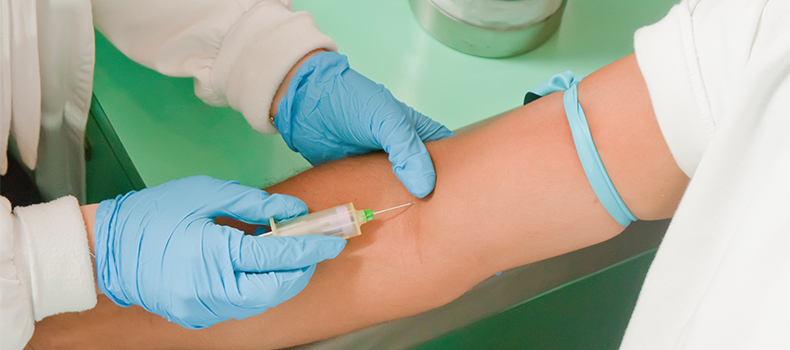
Are you considering a career in phlebotomy but unsure of how long the training will take? Phlebotomy is a vital healthcare profession that involves drawing blood from patients for medical testing, transfusions, or donations. Becoming a certified phlebotomist requires completing a training program to acquire the necessary skills and knowledge for the job. In this comprehensive guide, we will explore the duration of phlebotomy training, the different types of programs available, and the benefits of pursuing a career in phlebotomy.
How Long Does Phlebotomy Training Take?
The length of phlebotomy training can vary depending on the type of program you choose. Typically, phlebotomy training programs can last anywhere from a few weeks to several months. The duration of the program will also depend on whether you opt for a full-time or part-time schedule. Here is an overview of the different types of phlebotomy training programs:
1. Short-Term Certificate Programs
| Program Type | Duration |
|---|---|
| Short-Term Certificate Program | 4-8 weeks |
Short-term certificate programs are designed to provide intensive training in phlebotomy skills and can typically be completed in 4-8 weeks. These programs are ideal for individuals looking to enter the workforce quickly and start their phlebotomy career.
2. Associate’s Degree Programs
| Program Type | Duration |
|---|---|
| Associate’s Degree Program | 1-2 years |
Associate’s degree programs in phlebotomy are more comprehensive and can take 1-2 years to complete. These programs cover a broader range of topics related to phlebotomy and may include general education coursework in addition to hands-on training.
3. On-The-Job Training
Some healthcare facilities may offer on-the-job training for aspiring phlebotomists. While the duration of on-the-job training can vary, it typically lasts several weeks to a few months. This type of training allows individuals to gain practical experience while working under the supervision of experienced phlebotomists.
Benefits of Pursuing a Career in Phlebotomy
There are several benefits to pursuing a career in phlebotomy, including:
- High Demand: Phlebotomists are in high demand across healthcare settings, including hospitals, clinics, and laboratories.
- Job Stability: The healthcare industry is projected to continue growing, providing stable employment opportunities for phlebotomists.
- Flexible Schedule: Phlebotomists may have the option to work full-time, part-time, or even on weekends and evenings.
- Fulfilling Work: Phlebotomists play a crucial role in patient care and contribute to the diagnosis and treatment of various medical conditions.
Practical Tips for Success in Phlebotomy Training
Here are some practical tips to help you succeed in phlebotomy training:
- Practice regularly: Developing your phlebotomy skills requires practice, so take advantage of any opportunities to practice drawing blood.
- Stay organized: Keep track of your training schedule, assignments, and deadlines to stay on top of your coursework.
- Seek feedback: Don’t be afraid to ask for feedback from your instructors and peers to improve your skills.
- Stay current: Stay up-to-date on the latest advancements and best practices in phlebotomy to enhance your knowledge and skills.
Conclusion
Phlebotomy training can vary in duration depending on the type of program you choose. Whether you opt for a short-term certificate program or an associate’s degree program, phlebotomy training can be completed in a matter of weeks to a couple of years. Pursuing a career in phlebotomy offers numerous benefits, including job stability, a flexible schedule, and the opportunity to make a meaningful impact on patients’ lives. By following practical tips for success, you can excel in your phlebotomy training and embark on a rewarding career in healthcare.
Are you ready to start your phlebotomy training journey? Explore the different programs available and choose the one that best fits your career goals and schedule. With dedication and hard work, you can become a certified phlebotomist and make a difference in the lives of others.