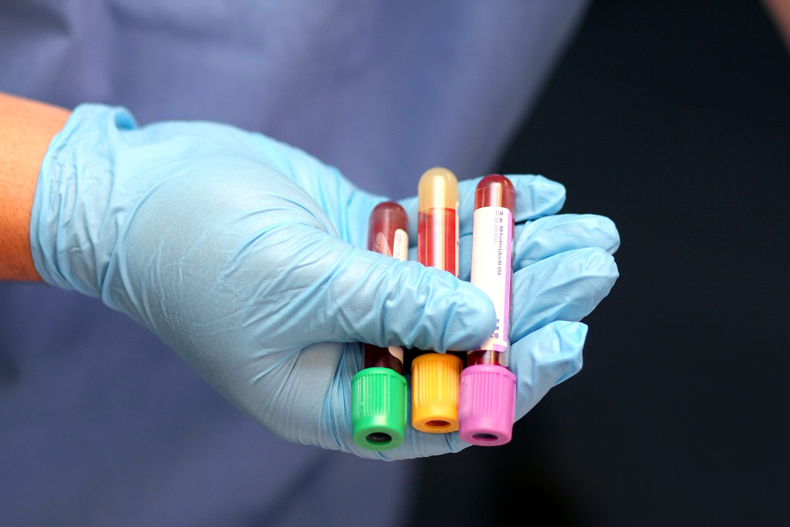
How Long Does It Really Take too Become a Phlebotomist? A Comprehensive Timeline and Guide
If you’re considering a career in healthcare, becoming a phlebotomist might be an appealing option. With rising demand and the ability to make a difference in patients’ lives, phlebotomy offers a promising career path. But how long does it really take to become a phlebotomist? In this comprehensive guide, we will break down the steps involved, the timeline, and some practical tips to help you on your journey.
Understanding Phlebotomy: What Does a Phlebotomist Do?
Before we dive into the timeline, let’s clarify what phlebotomists do. A phlebotomist is a trained healthcare professional responsible for drawing blood from patients for various medical purposes, including tests, transfusions, and donations. They also handle blood samples and ensure that the collection process adheres to safety guidelines and protocols.
Phlebotomist Training: Step-by-Step Timeline
Becoming a phlebotomist involves several steps, and the duration can vary depending on your educational background and the program you choose. Here, we outline a typical timeline:
1. High school Education (0-4 Years)
The first step towards becoming a phlebotomist is earning your high school diploma or GED.this is critical as most training programs require this educational background.
2. Enroll in a Phlebotomy Training Program (1-12 Months)
After high school, the next step is to enroll in a phlebotomy training program. Programs are offered at community colleges, technical schools, and online platforms. Here’s a general breakdown:
- Short-term Certification Program: 1 to 6 months
- Associate Degree in health Sciences: 1 to 2 years (includes more detailed anatomy and physiology)
3. Complete Clinical Training and Practicum (1-3 Months)
Most phlebotomy programs include a clinical component where you’ll gain hands-on experience. This could last from 1 to 3 months depending on your program.
4.Obtain Certification (Variable, Fast track Options Available)
While not always mandatory, getting certified as a phlebotomist can enhance your credibility and job prospects. Various organizations, such as the National Phlebotomy Association (NPA) and the American Society for Clinical Pathology (ASCP), offer certification. The planning time for certification exams varies but typically spans a few weeks.
Summary of Timeline
| Step | Duration |
|---|---|
| High School Diploma | 0-4 Years |
| Phlebotomy Training Program | 1-12 Months |
| Clinical Training and Practicum | 1-3 Months |
| Certification Preparation | Variable (a few weeks) |
Benefits of Becoming a Phlebotomist
Choosing to become a phlebotomist comes with numerous advantages, including:
- Job Stability: The demand for healthcare professionals, including phlebotomists, continues to grow.
- Flexible Work Surroundings: Phlebotomists can work in hospitals, clinics, laboratories, or even mobile blood donation units.
- Short Training Period: Compared to other healthcare careers,becoming a phlebotomist requires less time and financial investment.
- Prospect for Advancement: Experience in phlebotomy can lead to advancement into roles such as clinical laboratory technician or healthcare administrator.
Practical Tips for Aspiring Phlebotomists
Here are some helpful tips to consider as you pursue your phlebotomy career:
- Stay Current: Join professional organizations to access resources and networking opportunities.
- Practice Empathy: Dealing with patients can be stressful. Practicing good communication and empathy will enhance your skills.
- Be Detail-Oriented: Precision is key in phlebotomy. Always follow protocols and double-check your work.
- Manage Your Time: Balancing studies and clinical training requires good time management skills.
First-Hand experiences: From Aspiring Phlebotomist to Professional
Many aspiring phlebotomists ofen share their journey towards certification and employment. Here’s a brief case study:
Case Study: maria’s Journey to Becoming a Phlebotomist
Maria, a recent high school graduate, decided to enroll in a 6-month phlebotomy program. With diligent study and participation in her 3-month clinical internship, she became a certified phlebotomist within 9 months. Maria emphasizes the importance of hands-on experience and networking during her training. Today, Maria works part-time at a local hospital and is considering pursuing further education in nursing.
Conclusion: Your Path to a Rewarding Career in Phlebotomy
becoming a phlebotomist is an achievable goal that can be accomplished in about 6 to 18 months depending on the path you choose. With proper training, certification, and practical experience, you can kickstart a rewarding career in healthcare. If you’re passionate about patient care, enjoy working in a dynamic environment, and seek a flexible career path with opportunities for growth, phlebotomy might just be the right fit for you. Start your journey today and see where it takes you!