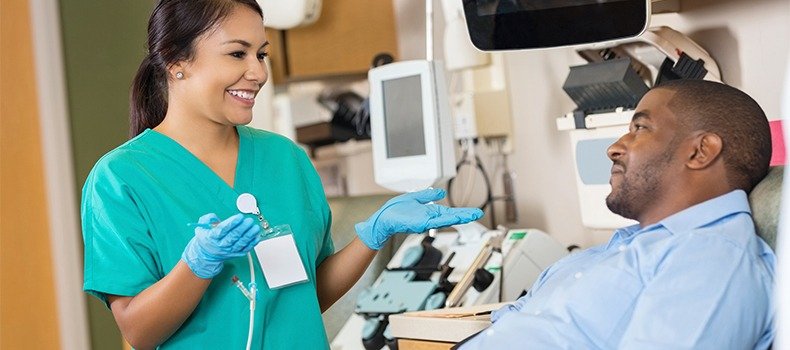
Master Essential Phlebotomy Skills: Top Tips from the center for Phlebotomy Education
Phlebotomy is a vital medical procedure that involves drawing blood for testing, donation, or research. Whether you’re a budding phlebotomist or a seasoned professional, mastering the essential skills is crucial for accurate results, patient comfort, and safety. The Center for Phlebotomy Education offers invaluable insights and top tips to help you excel in your phlebotomy practice. In this complete guide, we’ll explore key skills, practical tips, benefits, real-world case studies, and more to empower you to become a confident and proficient phlebotomist.
The Importance of Mastering Essential Phlebotomy Skills
Effective phlebotomy skills are fundamental for:
- accurate diagnostic testing
- Patient safety and comfort
- Reducing specimen rejection rates
- Enhancing your professional reputation
Developing these skills ensures that each blood draw is performed efficiently, safely, and with minimal discomfort to patients. LetS delve into the top tips from the experts at the Center for Phlebotomy Education that will set you on the path to mastery.
Core Phlebotomy Skills and Best Practices
Mastering the core skills involves understanding anatomy, proper technique, safety protocols, and effective communication. Here are the most essential skills to focus on:
Proper Patient Identification
Accurate identification prevents mislabeling and ensures patient safety. Always verify patient identity using at least two identifiers, such as:
- Name and date of birth
- Patient wristbands
Selecting the Correct Equipment
Choose the right needle size, collection tubes, and equipment based on the test requisitions and patient needs. The Center recommends using standardized equipment to ensure consistency and safety.
Venipuncture Technique
Performing a successful venipuncture requires:
- proper hand hygiene and gloves
- Applying the tourniquet correctly (no longer than 1 minute to avoid hemoconcentration)
- Locating the best vein (usually median cubital vein)
- Inserting the needle smoothly at a 15-30 degree angle
- Engaging proper collection procedures to avoid hemolysis or sample contamination
Patient Comfort and Communication
Addressing patient anxiety and informing them about each step can substantially improve their experience. Be friendly, calm, and reassuring throughout the procedure.
Practical Tips to Enhance Your Phlebotomy Skills
- Practice regularly: Hands-on practice is the best way to build confidence and improve technique.
- Use the butterfly method for small or tough veins: It provides more control and less discomfort.
- Keep supplies organized: An organized kit reduces stress and saves time.
- Stay updated on best practices: Attend training workshops and review guidelines regularly.
- Document meticulously: Accurate documentation helps in patient history and reduces errors.
the Benefits of Expert Phlebotomy Skills
| Benefit | Description |
|---|---|
| Accurate Results | Reduced sample contamination and hemolysis enhance test accuracy. |
| increased Patient Satisfaction | Gentle procedures and good communication improve patient trust. |
| Fewer Repeated Draws | Proficiency minimizes unsuccessful attempts, saving time and patient discomfort. |
| Career Advancement | Technical proficiency opens doors for specialization and higher positions. |
Real-World Case Studies from the Center for Phlebotomy Education
Understanding practical applications can enhance your learning.Here are two case studies illustrating common challenges and solutions:
Case Study 1: Difficult Vein Access
A patient with small, fragile veins presented a challenge. The phlebotomist used a butterfly needle and applied gentle technique, resulting in a successful blood draw without patient discomfort.
Case Study 2: Patient Anxiety
An elderly patient experienced high anxiety before venipuncture.The technician used calming communication and explained each step, significantly reducing anxiety and ensuring cooperation.
First-Hand Experience: Lessons from a Certified Phlebotomist
Jane Doe, a certified phlebotomist with 10+ years of experience, emphasizes the importance of patience and continuous learning. “Every patient is different, and adapting your technique is key. Attending workshops and staying updated with guidelines help provide the best care,” she says.
Tips for Aspiring Phlebotomists
- Obtain proper training and certification from reputable programs like those recommended by the Center for Phlebotomy Education.
- Develop a steady hand and confident technique through practice.
- Prioritize patient safety and comfort at all times.
- Keep your skills sharp with regular review and training updates.
Conclusion
Mastering essential phlebotomy skills is a blend of technical knowledge, practice, and compassionate patient care. By following the top tips from the Center for Phlebotomy Education, you can improve your proficiency, reduce errors, and provide remarkable service to your patients. Remember, continuous learning and hands-on practice are the keys to success in this rewarding healthcare profession. Whether you’re just starting or looking to refine your skills, embracing these strategies will help you become a confident and competent phlebotomist committed to excellence.
Ready to elevate your phlebotomy skills? Explore certification programs, workshops, and resources from trusted organizations like the Center for Phlebotomy Education and take your career to the next level today!