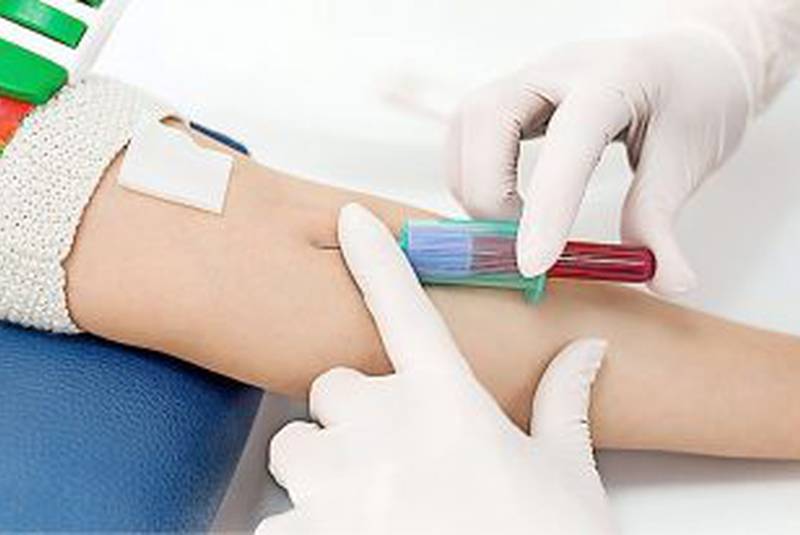
Mastering Phlebotomy: Essential Techniques and Methods for Blood Collection Success
Phlebotomy, the art of drawing blood, is a crucial skill in the medical field. With a steady rise in the need for healthcare professionals, mastering phlebotomy techniques can significantly enhance your career prospects. In this guide, we will explore fundamental methods, share practical tips, and discuss the benefits of effective blood collection.
Understanding phlebotomy: the Basics
Phlebotomy involves collecting blood from patients for diagnostic tests, transfusions, or research. Understanding the theoretical and practical aspects of blood collection is essential for anyone entering this field.
What Does a Phlebotomist Do?
- Collect blood samples from veins or capillaries.
- Prepare blood samples for laboratory analysis.
- Ensure patient comfort and safety during the procedure.
- Maintain sterilization and adherence to health protocols.
Essential Techniques for Accomplished blood Collection
1. Equipment and Tools
Proper tools and equipment are vital for a successful blood draw. Here are the necessary items:
| Equipment | purpose |
|---|---|
| Needles | For blood collection. |
| Syringes | Choice blood collection. |
| Vacutainer tubes | To store samples. |
| Tourniquet | To engorge veins. |
| Alcohol swabs | To disinfect the skin. |
| Bandages | To cover the site post-draw. |
2.Patient preparation
Communicating with patients is crucial for their comfort and safety. Follow these steps:
- Introduce yourself and explain the procedure.
- Verify the patient’s identity and test requirements.
- Ensure the patient is seated comfortably and relaxed.
- Check for any allergies or prior reactions to blood draws.
3. Choosing the Right Venipuncture Site
Common venipuncture sites include:
- Median cubital vein (most preferred)
- Cephalic vein (useful for obese patients)
- Basilic vein (last resort due to proximity to nerves and arteries)
4. Performing the Blood Draw
To ensure a successful blood collection, follow these steps:
- Apply a tourniquet about 3-4 inches above the draw site.
- Clean the puncture site with an alcohol swab and let it dry.
- Insert the needle at a 15-30 degree angle, bevel up.
- once the vein is punctured, allow blood to flow into the collection tube.
- Remove the tourniquet during the draw to minimize discomfort.
- Upon collection, withdraw the needle quickly and apply pressure to the site.
Benefits of Mastering Phlebotomy
Mastering phlebotomy can lead to numerous advantages in both personal and professional realms:
- Enhanced patient trust and comfort during procedures.
- Increased accuracy in blood sample collection and handling.
- Higher demand for skilled phlebotomists in various healthcare settings.
- Opportunities for career advancement and specialization.
Practical Tips for Aspiring Phlebotomists
Here are some practical tips to enhance your phlebotomy skills:
- Practice makes perfect: Sharpen your skills on mannequins and with experienced colleagues.
- Stay updated: regularly review current best practices and techniques.
- build rapport: Develop strong interaction skills with patients to ease their anxiety.
- Maintain professionalism: Adhere to all safety and health protocols to protect yourself and the patient.
Case Studies: Real-Life Experiences in Phlebotomy
Learning from real-life experiences can provide invaluable insights into the world of phlebotomy. Here are a couple of examples:
Case Study 1: overcoming Needle phobia
A nurse recounts their experience with a patient who had severe needle phobia. By offering reassurance, an explanation of the procedure, and allowing the patient to squeeze a stress ball, the draw was successful with minimal distress.
Case Study 2: Difficult Veins
A phlebotomist was faced with a geriatric patient with difficult veins. They opted for a butterfly needle to minimize discomfort and successfully obtained the sample after carefully palpating the veins. Success can often stem from adaptability and patience.
Conclusion
Mastering phlebotomy is a vital skill for healthcare professionals, enhancing their ability to perform blood collections safely and efficiently. By understanding the essential techniques, following best practices, and continually honing your skills, you can become a proficient phlebotomist. This not only improves patient experience but also contributes to your professional growth in the healthcare industry.
whether you’re just starting your phlebotomy journey or looking to refine your skills, these insights and techniques will guide you towards success in blood collection.