Unlocking the Secrets: Discover the Length of a Phlebotomy Training Course
Are you considering a career as a phlebotomist? Maybe you’re already in the medical field and looking to expand your skills. No matter what your motivation is, one of the first questions you might have is, “How long does it take to complete a phlebotomy training course?” In this article, we will explore the length of a typical phlebotomy training program, as well as some important factors to consider when enrolling in one.
What is Phlebotomy?
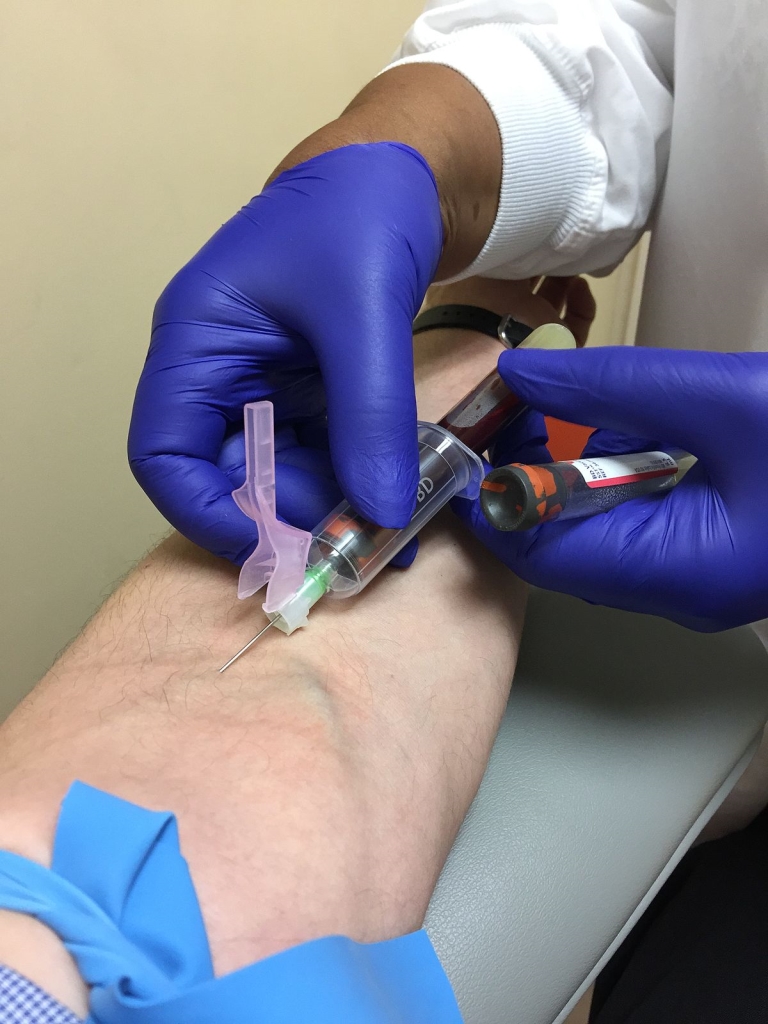
Before we dive into the specifics of phlebotomy training, let’s first understand what phlebotomy is. Phlebotomy is the practice of drawing blood from patients for various purposes, such as diagnostic testing, blood donation, or research. Phlebotomists play a crucial role in the healthcare system, as accurate blood collection is vital for proper diagnosis and treatment.
How Long Does Phlebotomy Training Take?
The length of a phlebotomy training course can vary depending on the program and institution. However, most phlebotomy training programs typically take anywhere from 4 to 8 weeks to complete. These programs can be found at community colleges, vocational schools, or online institutions. Here is a breakdown of a typical phlebotomy training course:
1. Classroom Instruction (2-4 weeks): The first part of the training usually involves classroom instruction, where students learn about anatomy, physiology, blood collection techniques, safety procedures, and infection control.
2. Hands-On Training (2-4 weeks): The second part of the training includes hands-on experience in a clinical setting. Students practice venipuncture and capillary puncture techniques on real patients under the supervision of experienced phlebotomists.
3. Certification Exam: Upon completing the training program, students are eligible to take a certification exam, such as the Certified Phlebotomy Technician (CPT) exam, to become a certified phlebotomist.
Factors to Consider When Choosing a Phlebotomy Training Program
When selecting a phlebotomy training program, there are several factors to keep in mind to ensure you get the most out of your education. Here are some important considerations:
1. Accreditation: Look for programs that are approved by accrediting bodies such as the National Accrediting Agency for Clinical Laboratory Sciences (NAACLS) or the Commission on Accreditation of Allied Health Education Programs (CAAHEP).
2. Hands-On Experience: Make sure the program offers ample hands-on training opportunities to practice blood collection techniques in a real-world setting.
3. Job Placement Assistance: Consider programs that provide job placement assistance or internship opportunities to help you kickstart your career as a phlebotomist.
4. Cost: Evaluate the cost of the program and compare it to your budget to ensure it is affordable for you.
Benefits of Completing a Phlebotomy Training Program
There are numerous benefits to completing a phlebotomy training program, including:
1. High Demand: Phlebotomists are in high demand in the healthcare industry, making it a stable and rewarding career choice.
2. Quick Entry: With a short training period, you can quickly enter the workforce and start making a difference in patients’ lives.
3. Flexibility: Phlebotomists have the flexibility to work in various healthcare settings, such as hospitals, clinics, laboratories, and blood donation centers.
4. Career Advancement: With experience and additional certifications, phlebotomists can advance their careers and take on roles with more responsibilities and higher pay.
a phlebotomy training course typically takes 4 to 8 weeks to complete, including classroom instruction, hands-on training, and a certification exam. When choosing a program, consider factors such as accreditation, hands-on experience, job placement assistance, and cost to ensure you receive a quality education. Completing a phlebotomy training program can lead to a fulfilling career with opportunities for growth and advancement in the healthcare field. If you’re passionate about helping others and interested in a hands-on medical career, phlebotomy could be the perfect fit for you.